
About
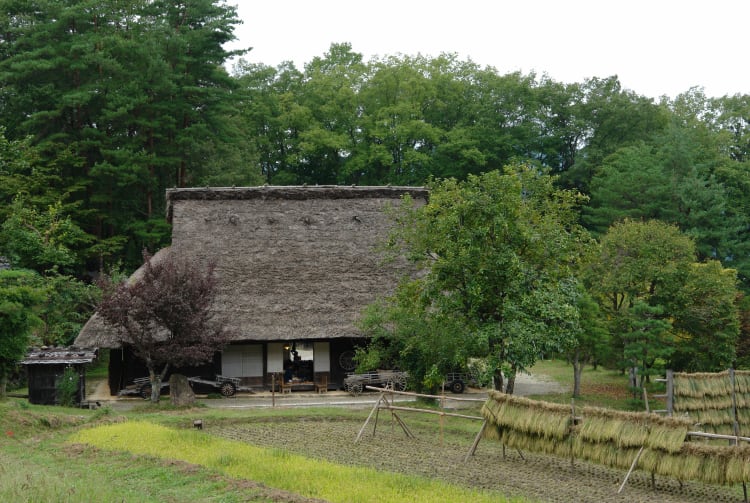 Traditional gassho-zukuri farmhouses showcasing distinctive steep thatched roofs designed for heavy snowfall in the Japanese Alps region
Hida Folk Village stands as Japan's most comprehensive outdoor museum preserving traditional mountain architecture and rural life from the Edo Period (1603-1868). Established in 1971, this 99,000 square meter cultural site houses over 30 meticulously relocated traditional buildings from throughout the Hida region, including famous gassho-zukuri farmhouses that inspired UNESCO World Heritage designation of nearby Shirakawa-go. 🔗
The village serves as a living museum where visitors experience authentic rural Japanese culture through preserved buildings, traditional craft demonstrations, and seasonal cultural events. The centerpiece gassho-zukuri structures, with steep thatched roofs resembling hands in prayer ("gassho"), represent centuries of architectural adaptation to harsh mountain winters and heavy snowfall. 🔗
Cultural & Religious Significance
Beyond architectural preservation, Hida Folk Village functions as an active cultural preservation center where master craftspeople demonstrate traditional skills including Hida lacquerwork, wood carving from local Ichii trees, straw crafts, sashiko quilting, and weaving techniques passed down through generations. The village maintains authentic seasonal rhythms, with indoor hearths lit each morning and traditional festivals celebrated throughout the year. 🔗
Four buildings designated as Important Cultural Assets showcase more gassho-zukuri architecture than found at Shirakawa-go itself. Notable structures include Wakayama's House, Nishioka's House, and the former village head's house, each displaying original daily life artifacts and period tools. Indoor sunken hearths (girori) are lit daily, demonstrating traditional heating methods essential for mountain survival. 🔗
Visiting Information
Operating Hours: 8:30 AM - 5:00 PM daily (no closing days) Special October Events: Autumn illumination 5:30 PM - 8:30 PM (October 11 - November 9, 2025, weekends and holidays) with separate ¥300 adult admission Transportation: Sarubobo Bus from Takayama Station (10 minutes, ¥100 per ride or ¥500 day pass) to Hida-no Sato-Shita bus stop Parking: ¥300 (free during illumination events) Current Status: Fully operational with all buildings accessible 🔗
Accessibility: Wheelchairs, baby carriages, umbrellas, and walking sticks available free. Covered walkways throughout village for weather protection. Combination tickets available at Takayama Station including return bus fare and entrance fee. 🔗
Route-Specific Access (Fujikawaguchiko to Takayama)
From Takayama IC (Chubu-Jukan Expressway):
- Exit Point: Takayama IC on the Chubu-Jukan Expressway
- Distance from IC: 10-minute drive from Takayama IC
- Location: Southwestern outskirts of Takayama, on hillside overlooking valley
- Route Flow: Exit expressway → Follow local roads toward southwestern Takayama → Village is well-signposted
Parking Options for Car Travelers:
- Paid Parking (Recommended): ¥300 per vehicle at front entrance, 250-car capacity, 1-minute walk to entrance
- Free Parking (Alternative): Free lot with longer walk involving slopes and elevation changes
- Recommendation: Paid parking offers best convenience for road travelers after long drive
Detour Classification: SHORT DETOUR (15-30 minutes from main route)
- 10 minutes from Takayama IC exit point
- Minimal deviation from main route to Takayama
- Located on natural approach path to Takayama city
- Round-trip detour time: ~20 minutes total
The Experience
The village experience begins with traditional architecture exploration across four gassho-zukuri buildings featuring authentic living spaces with period furniture and tools. Live craft demonstrations operate 10:00 AM - 3:00 PM, showcasing Hida lacquerwork by master artisans, wood carving using local Ichii evergreen trees, traditional weaving and dyeing techniques, straw craft demonstrations, sashiko quilting needlework, and roof thatching techniques. 🔗
Interactive cultural activities include traditional costume photography opportunities, historical games and water pistols for children, fish feeding at Goami Pond, and hands-on craft workshops at adjacent Hida Takayama Crafts Experience Center. October visits feature peak autumn foliage surrounding traditional buildings, evening illumination events on weekends, rice harvest cultural demonstrations, and traditional autumn festival preparations. 🔗
Practical Visiting Tips
October 24-26, 2025 Considerations: Peak foliage season with maple trees reflecting in Goami Pond. Autumn illumination available Saturday and Sunday evenings during visit. Crisp mountain air requires layered clothing for temperature changes. Moderate crowd levels, significantly fewer visitors than Shirakawa-go. 🔗
Photography Strategy: Prime locations include Goami Pond reflections and elevated viewpoints of village layout. Best angles capture steep roof lines against mountain backdrop. Traditional hats, umbrellas, and props provided for period photography. Remove shoes when entering buildings and follow posted photography restrictions. 🔗
Cultural Preparation: Quiet observation during craft demonstrations. English information available throughout village. Engage with artisans during demonstration periods. Participate in seasonal activities and costume photography for complete cultural immersion. 🔗
Route Integration Tips
Position in Journey:
- Located on southwestern outskirts of Takayama near expressway exit
- Works best as first stop after arriving in Takayama area
- Adds approximately 1-1.5 hours to journey (including visit time)
Optimal Visit Timing for Route Travelers:
- Late Afternoon Arrival Strategy: Visit upon arriving in Takayama area (3:00-4:30 PM)
- Morning Departure Strategy: Visit before continuing to other Takayama attractions
- October Photography: Afternoon light (2:00-4:00 PM) optimal for hillside views and autumn colors
Route Traveler Priority:
- Quick cultural introduction to Hida region
- Leg-stretching opportunity with scenic hillside views after long drive
- Optional stop depending on arrival timing and energy levels
- Can be skipped if running late or weather unfavorable
Visit Duration for Route Travelers:
- Quick visit: 1 hour (main houses and pond area)
- Standard visit: 1.5 hours (most buildings and facilities)
- Full experience: 2+ hours (all exhibits and demonstrations)
Location: View on Google Maps
Source: attractions/fujikawaguchiko-to-takayama-main-route/hida-folk-village.md