
About
 Traditional hand-cut soba (手打そば), the signature dish of Kiso Valley post towns. Source: Wikimedia Commons
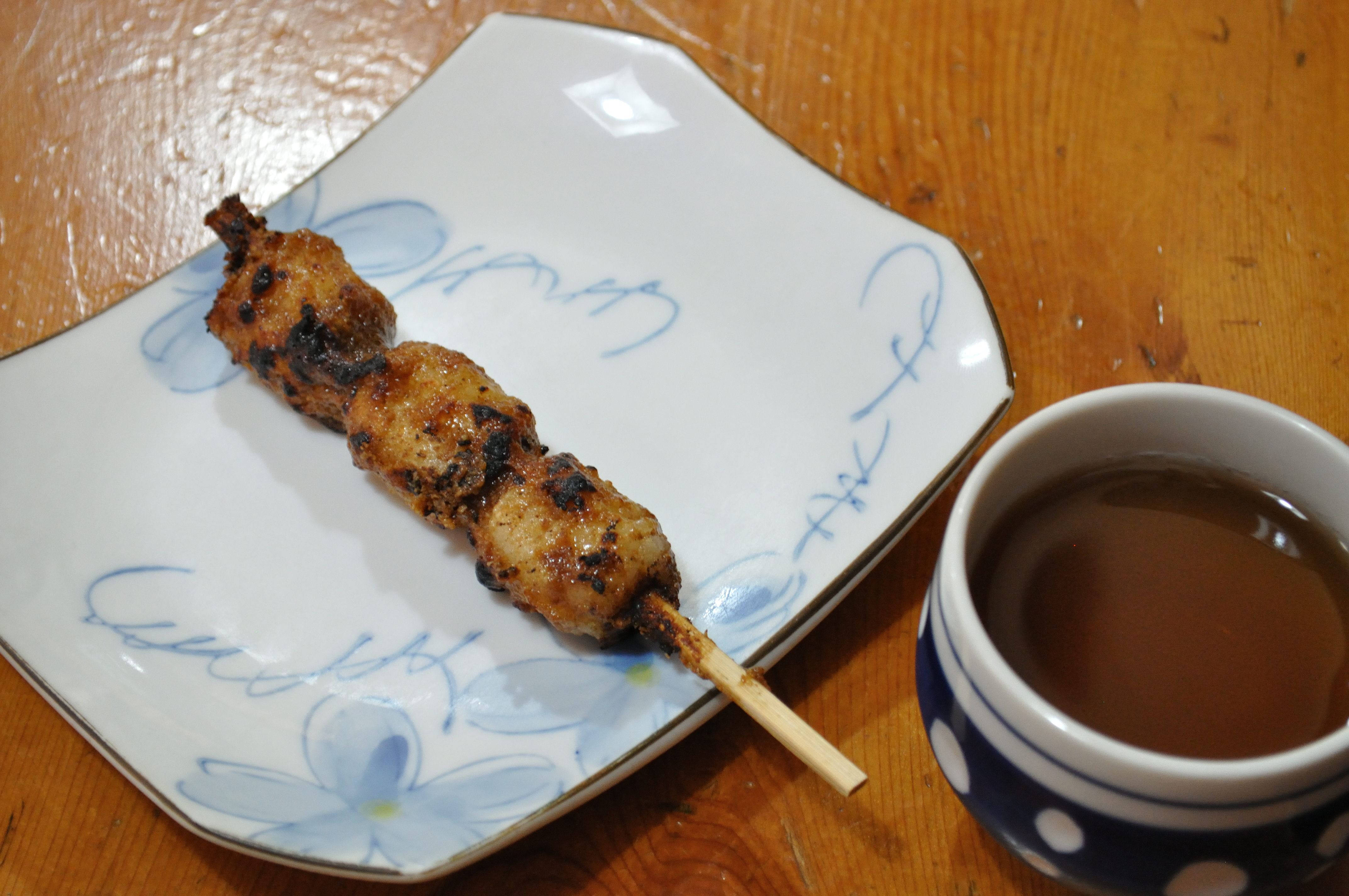 Gohei mochi - grilled rice cakes on skewers with sweet walnut-miso sauce, a traditional Kiso Valley specialty. Source: Wikimedia Commons
Post town dining in the Kiso Valley is not merely about sustenance—it is an act of participating in centuries of history, hospitality, and the sacred rhythm of the journey itself. The shukuba (post town) food culture dates back to the Edo period when the Nakasendo served as a vital artery connecting Edo (Tokyo) to Kyoto, with 69 post stations providing meals, rest, and provisions to travelers ranging from daimyō to merchants and pilgrims. 🔗
Cultural & Historical Significance
Traveler Cuisine (Shukuba Food Culture)
During the Edo period, inns (hatago 旅籠) were central to the Nakasendo ecosystem, providing standardized meals designed to sustain travelers through mountainous terrain. The typical meal structure consisted of "one soup, three sides" (ichijū-sansai 一汁三菜) for dinner—the main event—featuring rice, miso soup, pickles, grilled or stewed fish (often salted due to distance from the sea), and simmered mountain vegetables. Breakfast was simpler: rice, soup, and pickles to get travelers on their way. This diet provided substantial energy to recover from a day's walk and fuel the next mountain pass. 🔗
Omotenashi: Traditional Hospitality Philosophy
Omotenashi (おもてなし) in the Kiso Valley represents a deep-seated philosophy of selfless, wholehearted hospitality—anticipating a guest's needs before they are voiced. Traditional inns serve "hospitality cuisine" (kyō-ō-ryōri 饗応料理), using the best local and seasonal ingredients to create meals that honor guests and alleviate travel fatigue. True omotenashi is subtle: a hot cup of tea appearing when you're cold, chopsticks positioned for easy pickup, or preserving the historic ambiance to offer peace and escape. The host's pride in their region is expressed through food—serving sake from Kiso's four breweries or explaining the origin of particular mountain vegetables. 🔗
The Evolution of Gohei Mochi
Gohei mochi (五平餅), perhaps the most iconic food of the Kiso Valley, carries deep spiritual and practical history. Its name and shape derive from gohei (御幣), wooden wands with folded paper streamers used in Shinto rituals as offerings to gods. Originally a sacred offering made during spring and autumn festivals to pray for good harvests and thank mountain deities, it was used by lumberjacks and hunters in ceremonies to pray for mountain safety. 🔗
The food naturally transitioned from purely religious item to fortifying sustenance for those undertaking mountain work or travel. Made from mushed-up rice on a stick, coated with sweet-and-sour sauce (usually sugar, soy sauce, and mirin), and grilled over flames, it was energy-dense, portable, and made from precious rice. For Nakasendo travelers, eating gohei mochi was a way to partake in local tradition that was both spiritually significant and physically sustaining. 🔗
Regional Specialties: Narai, Tsumago, and Magome
While all three towns share a common Kiso culinary base, each has subtle specialties:
Narai-juku - The wealthiest and most bustling of Kiso post towns, Narai offers variety particularly known for oyaki (おやき), savory roasted dumplings filled with vegetables like pickled mustard greens or pumpkin. 🔗
Tsumago-juku - A bastion of preservation, Tsumago's culinary identity is deeply tied to core Kiso specialties. Here you'll find classic gohei mochi with distinct local walnut-miso sauce (kurumi-miso), and shops like Sawadaya specializing in persimmon kurikinton available only in October/November. 🔗
Magome-juku - Situated at higher elevation with famous views, Magome specializes in chestnuts (kuri 栗). Look for kurikinton (栗きんとん), a sweet made of mashed candied chestnuts, and chestnut rice (kuri-gohan 栗ご飯). 🔗
Signature Dishes & Traditional Foods
1. Soba Noodles (蕎麦)
The cornerstone of Kiso Valley cuisine. Kiso has a long-standing reputation for growing the best buckwheat in the area and producing high-quality soba noodles that local chefs have prepared for hundreds of years. The noodles feature distinctive characteristics: some shops use buckwheat husk ground into flour, creating darker noodles, while others serve with walnut sauce rather than traditional soy sauce/dashi mixture. Cold soba is often served with freshly fried tempura made with locally foraged mountain vegetables or mushrooms, depending on the season. 🔗
Price Range: ¥1,000-1,500 per person Recommended Serving Style: Zarusoba (cold) in warm weather, kake soba (hot) in cooler months
2. Gohei Mochi (五平餅)
Kiso's regional mochi is skewered, coated in salty-sweet sauce, and grilled over a flame. The sauce varies by location—made with local walnuts collected in fall, combined with miso, sugar, soy sauce, and sesame. Available from street vendors in Magome, Tsumago, and Narai. 🔗
Price: Around ¥300 per stick Where to Find: Street stalls throughout all post towns
3. Persimmon Kurikinton (柿と栗)
This seasonal delicacy—candied chestnut filling stuffed into dried persimmon—is available only in October/November for a few weeks. Uses locally grown chestnuts and Ichida persimmons. The most well-known shop is Sawadaya in Tsumago. 🔗
Availability: October/November only Specialty Location: Sawadaya, Tsumago (805 Azuma, Nagiso Town)
4. Sunki (すんき)
A fermented food made from turnip leaves, a historical Edo period dish using lactic acid fermentation without salt (sea salt was difficult to obtain deep in the mountains). Used as a topping for rice, soba noodles, and in miso soup, considered to have health benefits. 🔗
5. Mountain Vegetables and Mushrooms (October Harvest)
October is prime harvest month in the Kiso Valley:
- Chestnuts (kuri): Star of autumn, found roasted, in sweets like kurikinton, and savory rice dishes
- Mushrooms (kinoko): Huge variety including prized matsutake (松茸), served in soups, grilled, or with soba
- Persimmons (kaki): Fresh or as hoshigaki (dried persimmon), concentrating sweetness 🔗
Recommended Restaurants by Post Town
Kiso-Fukushima (Central Hub)
Kurumaya Honten (くるまや本店)
- Location: 5367-2 Fukushima, Kiso-machi, Kiso-gun, Nagano 397-0001 🔗
- Hours: 11:00 AM - until noodles run out | Closed Wednesdays
- Phone: +81 264-22-2200
- Specialty: Classic handmade soba with 300-year history. Distinctive darker noodles (buckwheat husk ground into flour) and legendary dipping sauce made daily from ingredients added to previous day's remainder
- Parking: Available in Kiso-Fukushima town center
- Notes: One of the best soba restaurants in the Kiso area; may close early when sold out
Narai-juku (Longest Post Town)
Kagi no Te (鍵の手)
- Location: Corner location at Kagi no Te curved road section, Narai-juku, Shiojiri, Nagano
- Hours: Typical lunch hours 11:30-14:00
- Specialty: Family-owned premiere soba shop, hand-made noodles with generous portions
- Price: ¥1,000-1,500 per person
- Notes: Very busy at lunchtime with potential lines. Name "kagi no te" means "right angled," referencing the corner location 🔗
- Parking: Free parking at Kiso Bridge (southern end) or paid parking near Narai Station (northern end)
Rakurakutei (らくらく亭)
- Location: Narai-juku main street
- Specialty: Traditional soba with local ingredients
- Notes: Recommended alternative to Kagi no Te 🔗
Matsuya Sabo (松屋茶房)
- Location: Narai-juku
- Type: Cozy café
- Notes: Owner enjoys speaking English with visitors, good for breaks between sightseeing 🔗
Tsumago-juku (Most Preserved)
Yoshimuraya (吉村屋)
- Location: 860-1 Azuma, Nagiso, Kiso District, Nagano View on Google Maps
- Hours: 10:00 AM - 5:00 PM
- Phone: 0264-57-3265
- Specialty: Handmade soba using buckwheat flour from nearby Kaida Kogen, ground with own stone mill. Must-try: rice grilled in sesame miso (sells out quickly)
- Notes: Hidden gem highly recommended by locals and trekkers. Ingredients sourced from nearby forest. From Nagiso Station, take Ontake Bus to Tsumago stop (7 minutes), then walk 5 minutes 🔗
- Recognition: Very popular with locals, perfect retreat after hiking
Omote (おもて)
- Location: Tsumago-juku main street
- Specialty: Traditional soba
- Notes: Well-established soba restaurant recommended by tourism guides 🔗
Ko no Hanaya (木の端屋)
- Location: Tsumago-juku
- Specialty: Grilled and skewered dishes including gohei mochi—pounded white rice balls grilled and dipped in sweet brown sauce
- Style: Café-style sweets shop where customers can relax in-shop or eat on the go
- Notes: One of many small shops in Tsumago specializing in simple grilled dishes 🔗
Sawadaya (沢田屋)
- Location: 805 Azuma, Nagiso Town, Kiso District, Nagano View on Google Maps
- Hours: 8:30-17:00 daily
- Phone: 0264-57-4105
- Specialty: Persimmon kurikinton (October/November only) - candied chestnut filling in dried persimmons using finest home-grown chestnuts and Ichida persimmons
- Type: Japanese sweets shop
- Notes: Most well-known shop for persimmon kurikinton, a specialty unique to Kiso Valley available only a few weeks in autumn 🔗
Magome-juku (Chestnut Specialties)
Keiseian (恵盛庵)
- Location: Magome-juku main street
- Specialty: Traditional soba
- Reviews: "Very good soba!" - 32 TripAdvisor reviews
- Notes: Recommended soba restaurant in Magome area 🔗
Mikazukian (三日月庵)
- Location: Magome-juku
- Specialty: Duck soba and crisp tempura, noodles handmade in renovated family home
- Notes: One of newest restaurants run by young owner, delicious noodles but usually sells out fast 🔗
Hillbilly Coffee Company
- Location: Magome post town
- Type: Café
- Specialty: High-quality espresso drinks
- Notes: Good stop for coffee breaks between sightseeing 🔗
Visiting Information
Operating Hours & Reservation Strategy
Typical Restaurant Hours:
- Lunch: 11:30 AM - 2:00 PM
- Dinner: 6:00 PM onwards (limited options in post towns)
- Many small town restaurants close early
Important Timing Considerations:
- Soba shops are quite busy at lunchtime and will be crowded with potential lines 🔗
- Popular restaurants like Kurumaya Honten close when noodles run out
- Yoshimuraya's sesame miso rice sells out quickly
- Mikazukian usually sells out fast
- Some shops run with a "hobby" air—sometimes open, sometimes not, may close early without specific reason 🔗
- Restaurants can sell out quickly as there are not many options, especially in Tsumago 🔗
Reservation Customs:
- Most soba shops operate first-come, first-served
- For traditional establishments, calling ahead is recommended (especially for Kurumaya Honten)
- Kaiseki restaurants require reservations
October 24, 2025 Considerations:
- Friday - regular weekday operations (less crowded than weekends)
- Avoid public holidays when crowds increase significantly
- October is harvest season - seasonal items available but popular
- Weather: comfortable autumn temperatures, good for outdoor dining/street food
Pricing
Budget Guidelines:
- Soba meals: ¥1,000-1,500 per person
- Street food (gohei mochi): ¥300 per stick
- Kaiseki sets: ¥3,000+ per person
- Seasonal specialties: ¥500-1,000
- Traditional inn dinner: Exactly ¥3,000 per person (communal tatami dining)
Payment: Cash is standard in post towns; credit cards may not be accepted at smaller establishments
Parking & Car Traveler Access
Tsumago:
- Cost: ¥500 parking fee
- Access: Cars prohibited from entering village during day
- Location: Must park in public lot over Araragi River
- Walking: 15-minute walk across bridge and up steep stairs to village
- Strategy: Park once and explore on foot 🔗
Magome:
- Parking: Free parking available (seasonal charges vary)
- Access: Town accessible by car
- Drive Time: 15 minutes from Tsumago
- Strategy: Easy to visit both towns by car in one day 🔗
Narai:
- Best Parking: Southern end of town (most convenient)
- Alternative: Paid parking near Narai Station (northern end)
- Free Options: Kiso Bridge parking (may fill up)
- Walking: Entire town explorable on foot from either parking area 🔗
Kiso-Fukushima:
- Parking: Available in town center near Kurumaya Honten
- Access: Most flexible for car travelers with variety of dining options
- Strategic Value: Good base for exploring valley with car 🔗
The Complete Visitor Experience
What to Expect: Traditional Post Town Dining
Atmosphere: Historic machiya-style buildings with preserved Edo-period character, tatami seating common in traditional restaurants, intimate family-run establishments with personal service
Service Style:
- Warm welcome ("irasshaimase")
- Possible wait times during lunch rush
- Food prepared fresh to order (patience required)
- Host pride in explaining regional specialties
- Subtle omotenashi touches throughout experience
Menu Navigation:
- Often only in Japanese
- Picture menus at some tourist-friendly spots
- Basic items: zaru soba (cold), kake soba (hot), tempura soba, duck soba
- Seasonal items may be verbally recommended
- Set meals (teishoku) provide complete experience
Dining Duration:
- Quick lunch: 30-45 minutes
- Full soba meal: 45-60 minutes
- Kaiseki experience: 1.5-2 hours
- Tea house stop: 15-30 minutes
- Street food: Immediate
Cultural Dining Etiquette
Essential Practices:
- Begin: Say "Itadakimasu" (いただきます - "I humbly receive")
- End: Say "Gochisousama deshita" (ごちそうさまでした - "Thank you for the feast")
- Chopsticks: Never stick upright in rice or pass food chopstick-to-chopstick (funeral rites)
- Shared Plates: Use opposite end of chopsticks to take food if no serving utensils provided
- Bowls: Polite to lift rice and soup bowls to eat
- Soup: Drink directly from bowl
- Slurping: Slurping noodles is acceptable and often seen as sign of enjoyment
- Gratitude: Express thanks to staff when leaving 🔗
Eating While Walking (Tabe-aruki 食べ歩き)
General Rule: In Japan, eating while walking is generally considered poor manners. The culture values mindfulness, and eating should be done with focus.
Post Town Exception: Historic towns and festival areas are notable exceptions where tabe-aruki is a recognized activity. Gohei mochi and street snacks are designed for this purpose.
Polite Practice:
- Buy food, step to side of path or near stall to eat
- Finish before continuing to walk
- Dispose of trash properly (public bins are rare)
- Respect cleanliness of historic streets
- Show consideration for other visitors 🔗
October Seasonal Experience
Harvest Season Highlights:
- Chestnuts: Peak season, found everywhere in Magome
- Persimmons: Fresh and dried varieties available
- Mushrooms: Mountain varieties including matsutake
- Mountain Vegetables: Late harvest items in tempura
- Kurikinton: Seasonal sweet available only in October/November
- Atmospheric: Autumn foliage enhances dining ambiance
Weather Considerations:
- Comfortable temperatures for outdoor exploration
- Cool enough for hot soba to be appealing
- Pleasant for street food consumption
- Possible light rain (covered seating recommended)
Route Integration & Timing Strategy
Strategic Dining Within Route Flow
Morning Departure from Fujikawaguchiko:
- Early start allows arrival at first post town by lunch
- Breakfast before departure recommended (limited morning options in post towns)
Lunch Location Recommendations:
Option 1: Narai-juku (First Post Town)
- Pros: Sets cultural tone for journey, longest post town with variety, good parking
- Timing: Arrive 11:30-12:00 to avoid peak crowds
- Recommended: Kagi no Te or Rakurakutei for soba
- Duration: 1.5-2 hours including town exploration
- Strategy: Park at southern end, walk main street, lunch, continue exploring
Option 2: Kiso-Fukushima (Midpoint Hub)
- Pros: Central location, easier parking, best soba (Kurumaya Honten)
- Timing: Arrive before 12:00 (closes when sold out)
- Recommended: Kurumaya Honten for 300-year soba tradition
- Duration: 1-1.5 hours focused on dining
- Strategy: More efficient stop if prioritizing route coverage
Option 3: Tsumago-juku (Most Preserved)
- Pros: Best preserved atmosphere, Yoshimuraya highly recommended
- Timing: Arrive 12:00-13:00, requires parking walk
- Recommended: Yoshimuraya for handmade soba and sesame miso rice
- Duration: 2-2.5 hours including parking walk and town exploration
- Strategy: Best for immersive experience but more time-intensive
Option 4: Split Experience
- Morning: Light snack/tea in Narai
- Lunch: Full meal in Kiso-Fukushima or Tsumago
- Afternoon: Street food (gohei mochi) in Magome
- Pros: Samples multiple towns, flexible timing
- Duration: Variable based on stops
Combination with Post Town Exploration
Integrated Experience:
- Arrive: Park at designated lot
- Explore: Walk historic main street (30-40 minutes)
- Dine: Lunch at traditional restaurant (45-60 minutes)
- Shop: Browse crafts and specialties (20-30 minutes)
- Snack: Grab gohei mochi for the road
- Total Time: 2-2.5 hours per post town
Efficient Route Flow:
- Narai → Kiso-Fukushima (15-20 min drive)
- Kiso-Fukushima → Tsumago (30 min drive)
- Tsumago → Magome (15 min drive)
- Can realistically visit 2-3 towns with dining in one day 🔗
Deeper Cultural Context
Food and the Nakasendo Journey
For travelers walking the Nakasendo, food transcends mere fuel—it is central to the taiken (体験), the personal experience:
A Mark of Progress: Reaching a post town and enjoying its local specialty—gohei mochi or soba—is a reward and tangible marker of completing a difficult leg. The saying "hunger is the best spice" is deeply felt after a long walk.
Tasting History: Eating the same types of food that travelers have eaten for centuries on the same road is powerful historical re-enactment, connecting directly to lives of those who walked before.
The Flavor of the Land: Kiso Valley food is direct expression of its environment. Chestnuts, mountain vegetables (sansai), pure water for soba and sake—eating these is to taste the landscape you're walking through.
Healing and Restoration: Food is seen as a way to heal the body. The warmth of noodle soup or energy from sweet rice cake is part of the restorative process allowing the journey to continue. It is, in its own way, a form of pilgrimage where the body is tested and spirit is restored through the simple, profound act of a shared meal. 🔗
Authentic vs. Tourist-Oriented Experiences
Identifying Authentic Restaurants:
- Specialization: Shop that only sells soba or only sells gohei mochi
- Local Presence: Simple, unadorned restaurants with local workers or elderly residents
- Signage: Look for "kyōdo-ryōri" (郷土料理 - local cuisine) characters
- Historic Setting: Renovated old houses (kominka 古民家) away from main thoroughfare
- Language: Menu entirely in Japanese (though this challenges visitors)
- Examples: Yoshimuraya (locals' favorite), Kurumaya Honten (300-year tradition)
Tourist-Oriented Indicators:
- Prime locations near stations
- English menus and multilingual signage
- Wider range of popular Japanese food (ramen, tempura) alongside local specialties
- Focus on convenience rather than cultural immersion
- Still offer good food but different experience
- Examples: Cafés with English-speaking owners
Recommendation: Seek authentic experiences in at least one post town, but don't avoid tourist-friendly spots entirely—they provide accessible introduction and often have helpful English-speaking staff. Balance authenticity with practicality based on your comfort level and time constraints.
Practical Tips & Recommendations
Money-Saving Options
- Street Food: Gohei mochi (¥300) provides authentic experience at low cost
- Soba Shop Lunch: Most affordable full meal (¥1,000-1,500)
- Combination Strategy: Full lunch at one town, snacks at others
- Water: Bring refillable bottle (restaurants provide free water)
- Specialties: Try expensive items (matsutake) in moderation
- Cash: Withdraw before entering post towns (limited ATMs)
Language & Communication
Essential Phrases:
- "Itadakimasu" (before meal)
- "Gochisousama deshita" (after meal)
- "Oishii desu" (おいしいです - "It's delicious")
- "Osusume wa nan desu ka?" (おすすめは何ですか - "What do you recommend?")
- "Kore onegaishimasu" (これをお願いします - "This please" - point at menu)
Useful Food Terms:
- Soba (そば) - buckwheat noodles
- Zaru soba (ざるそば) - cold soba on bamboo mat
- Kake soba (かけそば) - hot soba in broth
- Tempura soba (天ぷらそば) - soba with tempura
- Gohei mochi (五平餅) - grilled rice cake
- Kurikinton (栗きんとん) - candied chestnut sweet
Cultural Respect
- Volume: Keep conversation moderate in small restaurants
- Photography: Always ask permission before photographing food preparation or staff
- Waste: Take trash with you (limited public bins)
- Chopsticks: Follow proper etiquette (no sticking in rice, no passing food)
- Gratitude: Thank staff genuinely (bow appreciated)
- Historic Sites: Treat post town streets and buildings with respect
- Local Life: Remember these are living towns, not museums—residents live and work here
Important Notes for October 24 Visit
Critical Considerations
-
Seasonal Availability: Persimmon kurikinton at Sawadaya is ONLY available in October/November—this is a rare opportunity. Consider stopping at Tsumago specifically for this specialty.
-
Restaurant Hours: Many establishments close early or when sold out. Plan primary lunch for 11:30-13:30 window. Have backup plans.
-
Friday Operations: October 24, 2025 is Friday—regular weekday operations. Most restaurants open, but verify Kurumaya Honten (closed Wednesdays) is open.
-
Parking Strategy: At Tsumago, factor in 15-minute walk from parking to village. If time is limited, prioritize Narai or Kiso-Fukushima for easier car access.
-
Cash Required: Most post town restaurants don't accept cards. Carry sufficient cash (¥3,000-5,000 per person for full meal plus snacks).
-
Cultural Priority: Dining in post towns is as much cultural experience as sustenance. Allocate sufficient time (2-2.5 hours per town) to fully appreciate the atmosphere and history.
-
Crowd Management: Even on Friday, popular restaurants fill quickly. Arrive early (11:30) or late (13:30+) for lunch to avoid peak rush.
-
Weather Backup: October weather generally stable but possible rain. All recommended restaurants have indoor seating.
-
Route Flexibility: With three post towns in close proximity (15-30 min drives), you can easily adjust plans based on crowds, weather, or restaurant availability.
-
Authentic Experience: Prioritize at least one authentic local restaurant (Yoshimuraya, Kurumaya Honten, or Kagi no Te) over tourist-oriented options for true cultural immersion.
Location: Multiple locations - Narai on Google Maps | Tsumago on Google Maps | Magome on Google Maps
Source: attractions/fujikawaguchiko-to-takayama-scenic-route/post-town-dining-experiences.md