
About
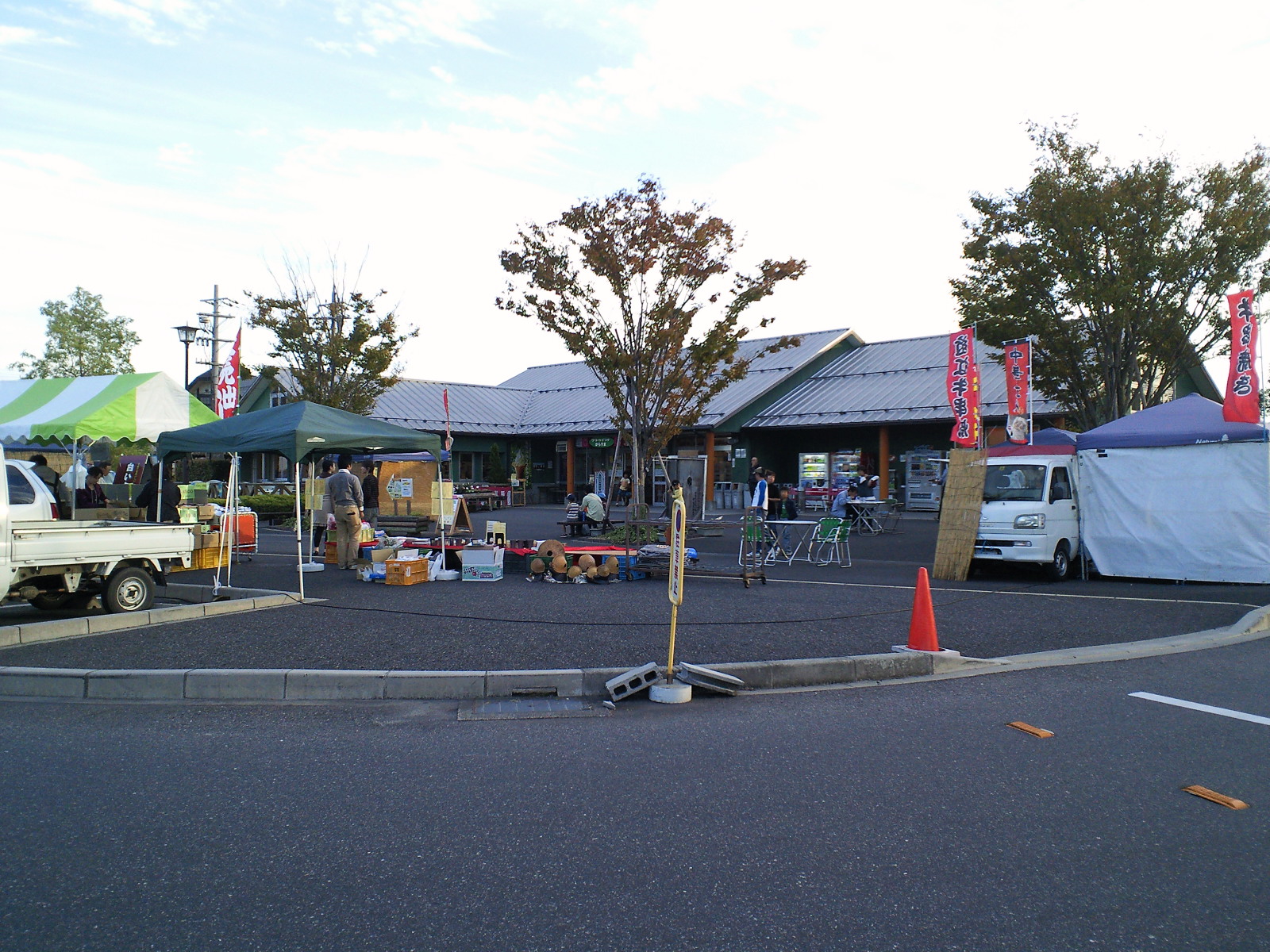 Representative Michi-no-Eki roadside station showing typical architecture and facilities. Photo by Kansai explorer, licensed under CC BY 3.0
Michi-no-Eki (道の駅, literally "road station") are government-designated rest areas along major highways and local roads in Japan, providing essential services for long-distance drivers. 🔗 As of January 2025, there are 1,230 roadside stations across Japan's 47 prefectures. 🔗
For the Kinosaki to Itoshima route via Chugoku and Kyushu Expressways (approximately 568 km, 7-8 hours base drive time), these roadside stations serve dual purposes: practical rest stops with 24-hour facilities and cultural gateways to regional specialties and local products. 🔗
Cultural & Historical Significance
Michi-no-Eki roadside stations represent a uniquely Japanese approach to highway infrastructure, combining practical rest stop services with cultural tourism and regional economic development. To register with the government as a Michi-no-Eki, facilities must provide three essential functions: free 24-hour parking, free 24-hour rest facilities (restrooms), and information services. 🔗
Beyond these basic requirements, most stations feature farmers markets selling locally grown agricultural products, livestock, and seafood, along with restaurants serving regional delicacies and shops offering artisanal processed goods made from regional ingredients. 🔗
Important Distinction: Michi-no-Eki are located along national highways and general roads, not directly on expressways. Expressways feature Service Areas (SA) and Parking Areas (PA) instead. For roadside stations, drivers must exit the expressway at designated interchanges. 🔗
Visiting Information
Hours: Parking and restrooms available 24/7 year-round; farmers markets, restaurants, and shops generally operate 8:00 AM - 8:00 PM 🔗
Route Context: Located off expressway exits along Chugoku and Kyushu Expressways, requiring brief detours from main route
Seasonal Considerations: Late October is autumn harvest season, featuring peak availability of seasonal products including sweet potatoes, chestnuts, kabocha pumpkin, and regional autumn specialties. 🔗 Oyster season begins in mid-October in Saga and Fukuoka regions.
24-Hour Facilities:
- Free parking (all stations, year-round)
- Clean restrooms (all stations, year-round)
- Vending machines (most stations)
- EV charging stations (increasingly common, most operate 24/7) 🔗
Limited-Hour Facilities (typically 8am-8pm):
- Farmers markets and fresh produce sections
- Restaurants and food courts
- Souvenir shops and specialty product stores
- Tourist information centers
The Experience
Notable Roadside Stations Near Route
Hiroshima Prefecture:
Michi-no-Eki Yu YOU Salon Tojo - Near Tojo IC Offers Hiba beef steak, locally grown brown soba noodles, specialty product market with local sake and crafts 🔗
Michi-no-Eki Takano - After Takano IC on Matsue Expressway Features agricultural products and processed foods from Shobara region 🔗
Okayama Prefecture:
Michi-no-Eki Miyama Park - Along National Route 30 in Tamano City Offers fresh vegetables, seafood, freshly baked bread, local specialties 🔗
Michi-no-Eki Kasaoka Bay Farm - Kasaoka area Features fresh local produce 🔗
Saga-Fukuoka Border Region:
Michi-no-Eki Tara - Route 207 (Saga to Nagasaki route) Famous for Takezaki oysters and birthplace of oyster grilling huts. Oyster season runs mid-October to March. Features "Tara Oyster Grill Kaido" with over a dozen oyster grilling establishments. 🔗 🔗 Tarezaki oysters are known for rapid growth (6 months vs typical 2 years), rich in glycogen, with minimal shrinkage when grilled.
Michi-no-Eki Kashima - Saga Prefecture Sells oysters in winter at Senjaichi Market, features Gatakko House for oyster grilling 🔗
Fukuoka Prefecture:
Michi-no-Eki Ukiha - Recently renovated Wooden architecture inspired by traditional Kudo-style farmhouses, offers fresh agricultural products, restaurants with scenic views, bicycle rentals 🔗
Michi-no-Eki Munakata - Near Genkai-nada Sea Features fresh seafood, local vegetables, local sake, deli foods and snacks 🔗
Itoshima Area (Destination) - Farmers Markets:
While Itoshima doesn't have an official Michi-no-Eki, it features several large farmers markets serving similar functions:
Ito Sai Sai (JA Itoshima Farmers Market) - One of Kyushu's largest farmers markets Specializes in locally sourced produce, flowers, meat, and seafood including Itoshima beef, pork, and wild red sea bream 🔗
Fukufuku no Sato - Founded in 2002 Celebrates local produce with fresh goods brought daily by farmers, fishermen, and producers 🔗
Regional Food Specialties by Area
Hyogo (Yasutomi Area): Yuzu products: yuzu kosho (柚子胡椒, spicy yuzu citrus paste), yuzu sorbet, handmade yuzu processed goods 🔗
Okayama: Fresh vegetables, seasonal produce, freshly baked bread, local seafood from Seto Inland Sea, Hormone Udon 🔗
Hiroshima: Hiba beef steak, brown soba noodles (locally grown), local sake and crafts, oysters and pork, handmade yakiniku sauce 🔗
Yamaguchi: Kawara soba (瓦そば), Miran-gyu steak bento, Fugu (pufferfish) products 🔗
Fukuoka: Hakata ramen, Mentaiko (spicy cod roe), Motsunabe (offal hot pot), Amaou strawberries, fresh seafood from Genkai-nada Sea 🔗
Saga: Takezaki oysters (season: mid-October to March), oyster grilling huts, Saga beef, fresh seafood from Sea of Ariake 🔗
Itoshima: Itoshima oysters (oyster hut season November-March), fresh seafood (largest catch of wild red sea bream in Japan), Itoshima beef and pork, seasonal vegetables and flowers 🔗
Practical Visiting Tips
Strategic Rest Stop Planning: For the 7-8 hour drive, plan to take a 20-minute break every two hours. 🔗
Timing Strategy:
- Morning departure: Consider Yasutomi area yuzu products after first 1.5-2 hours
- Mid-route: Hiroshima roadside stations for lunch featuring regional specialties
- Final leg: Fukuoka/Saga roadside stations for Kyushu regional products
- Off-Expressway Detour Opportunities: Michi-no-Eki Tara (Saga) worth detour for Takezaki oysters if arriving late October when season begins
Money-Saving Options:
- Farmers markets offer fresh produce at significantly cheaper prices than supermarkets 🔗
- Many roadside stations sell bento boxes and prepared foods at lower prices than restaurant meals
- 24-hour parking is always free at all Michi-no-Eki 🔗
- Regional specialties purchased at source locations offer better value than buying in destination cities
Regional Product Highlights Worth Seeking:
- Yuzu products (Yasutomi area, Hyogo) - Unique citrus specialty
- Handmade yakiniku sauce (Hiroshima) - Created by local grandmothers
- Tarezaki oysters (Michi-no-Eki Tara, Saga) - Exceptional flavor due to rapid growth
- Fresh seafood and local beef (Itoshima farmers markets) - Direct from producers
Roadside Station Culture:
- Respect 24-hour quiet hours - parking lots welcome overnight stops but are not campsites 🔗
- Support local producers by purchasing regional specialties at farmers markets
- Try regional delicacies - roadside stations pride themselves on showcasing area cuisine
- Collect station stamps (many Michi-no-Eki participate in stamp rally programs)
Driving Safety:
- Watch for wildlife, especially deer, around dawn and dusk in forested areas 🔗
- Slow down when entering rest areas from highways
Late October Seasonal Considerations:
- October marks peak season for autumn specialties: sweet potatoes (yakiimo), chestnuts (kuri), kabocha (Japanese pumpkin), matsutake mushrooms 🔗
- Oyster season beginning: Late October marks start of oyster season in Saga and Fukuoka regions 🔗
- Autumn temperatures comfortable for driving, with pleasant conditions for rest stop visits
- Fall foliage: Best time in Fukuoka Prefecture is late October to late November 🔗
Location: Various locations along route - see individual roadside stations above for specific locations and directions
Source: attractions/kinosaki-to-fukuoka-main-route/michi-no-eki-roadside-stations.md