About
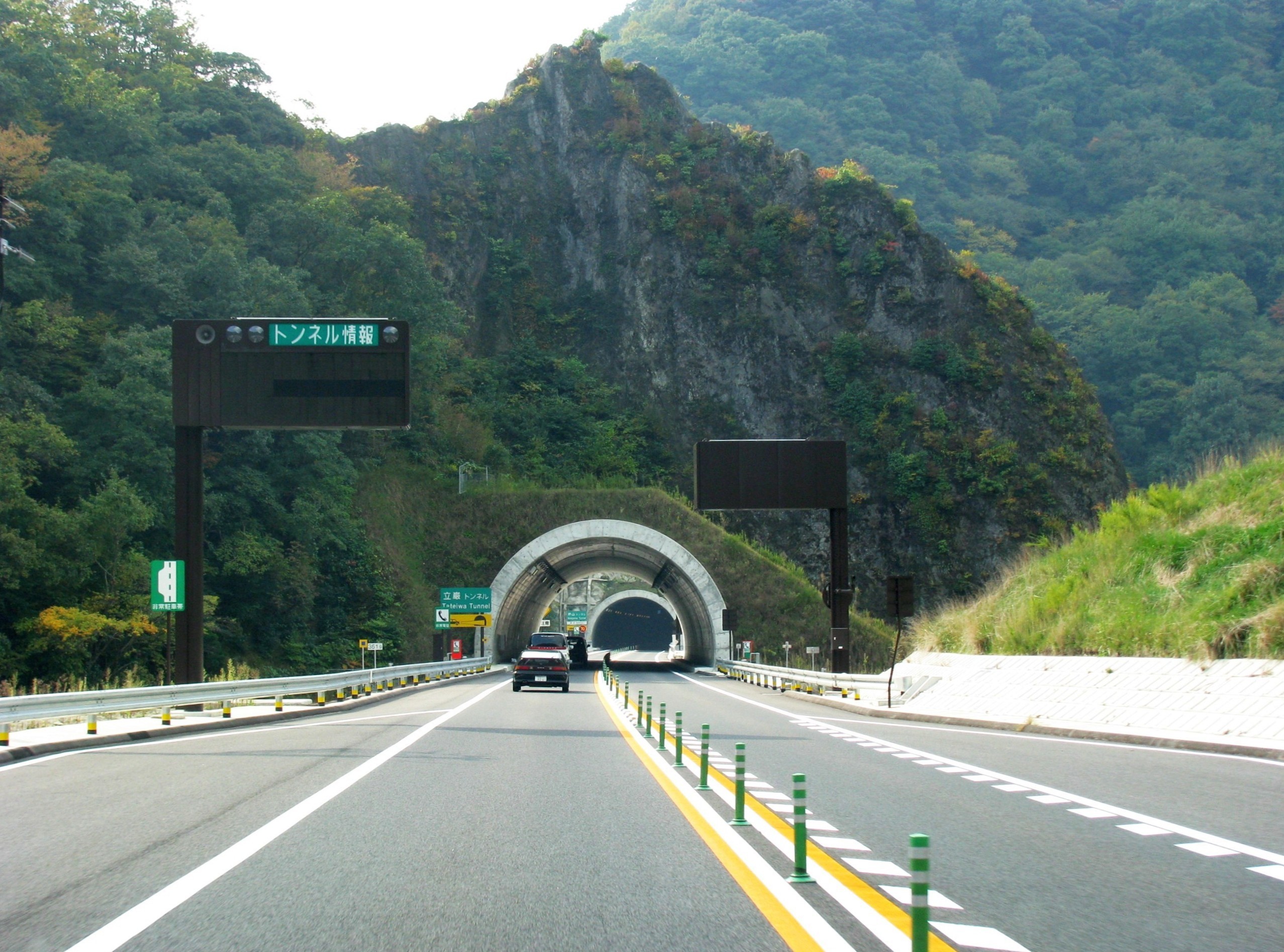 San-in Expressway segment showing characteristic coastal terrain - Source: Wikimedia Commons
The San-in Expressway (山陰自動車道, San-in Jidōsha-dō) forms the primary expressway corridor along Japan's northern Honshu coast (San-in region), running through Tottori and Shimane prefectures. Unlike the faster Chugoku Expressway that cuts inland through the mountains, the San-in Expressway follows the coastline, offering a scenic alternative route for the Kinosaki to Itoshima journey. 🔗
The San-in route represents a trade-off between speed and scenery - generally adding 2-4 hours to the journey compared to the main Chugoku/Kyushu Expressway route, but providing access to the San-in Kaigan Geopark Trail, Lake Shinji views, and cultural sites like Izumo-taisha and Matsue Castle. 🔗
Cultural & Historical Significance
The San-in Region Identity
The San-in region ("mountain shade" or "shaded by mountains") refers to the northern coast of western Honshu, facing the Sea of Japan and sheltered by the Chugoku mountain range to the south. This geography has historically created a distinct regional identity - more isolated, rural, and culturally preserved compared to the bustling San-yo (southern) corridor facing the Seto Inland Sea. 🔗
The San-in Expressway development began to connect these historically isolated coastal communities, though construction remains incomplete with sections still using general national highways. The expressway's gradual development reflects the region's lower population density and economic priorities compared to major urban corridors. 🔗
Expressway as Cultural Connector
The San-in Expressway serves as more than transportation infrastructure - it's a cultural corridor linking:
- Shinto Mythology Heartland: Izumo region as birthplace of Japanese mythology
- Feudal Castle Towns: Matsue's preserved Edo-period architecture
- Natural Heritage: San-in Kaigan Geopark's 230.9 km of coastal geology
- Onsen Culture: Hot spring towns like Tamatsukuri and Misasa
- Maritime Communities: Traditional fishing villages and coastal cuisine culture 🔗
Visiting Information
Route Structure:
The San-in Expressway is not a continuous expressway from Kinosaki to Kyushu. Instead, the route alternates between:
- Expressway Segments: Modern toll highways with higher speed limits
- National Highway Sections: General roads (typically Route 9) connecting expressway segments
- Connecting Routes: Links to Chugoku Expressway for continuing toward Kyushu
Key Expressway Sections for This Route:
- Tottori-Yonago Section: Connects Tottori Sand Dunes area to Yonago/Matsue region
- Matsue-Izumo Section: Links Matsue Castle area to Izumo-taisha
- Western Extension: Continuing development toward Yamaguchi Prefecture
Transition Points:
The route eventually joins the Chugoku Expressway (E2) or San-yo Expressway (E2A) to continue toward Kyushu, typically via:
- Hiroshima area connection
- Yamaguchi Prefecture routing
- Entry to Kyushu via Kanmon Bridge or tunnel 🔗
Seasonal Considerations for Late October:
Weather Patterns:
- Cooler coastal temperatures than inland routes
- Potential for coastal winds and rain from Sea of Japan weather systems
- Generally good visibility for coastal views in autumn
- Sunset around 17:30, limiting evening coastal scenery viewing
Road Conditions:
- No winter hazards in late October
- Coastal fog possible in early morning
- Generally dry autumn conditions
- Clear autumn skies provide excellent visibility 🔗
The Route Experience
Expressway vs General Road Segments
Expressway Sections (When Available):
Advantages:
- Higher speed limits (80-100 km/h)
- Modern road surfaces and clear signage
- Separation from local traffic
- Service areas with facilities and regional products
- More direct routing between major cities
Characteristics:
- Tolls required (ETC recommended for convenience)
- Limited scenic views compared to coastal general roads
- Faster transit but less cultural immersion
- Standard expressway driving experience 🔗
General Road Sections (Route 9 and Coastal Roads):
Advantages:
- Direct coastal access and scenic viewpoints
- Pass through local towns and villages
- Access to roadside stations (Michi-no-Eki) and local restaurants
- Cultural immersion in rural San-in communities
- Free (no tolls)
Characteristics:
- Lower speed limits (40-60 km/h through towns)
- Traffic signals and local traffic
- More time required but richer experiences
- Better access to coastal attractions and viewpoints 🔗
Scenic Highlights Along Route
Coastal Viewpoints:
- San-in Kaigan Geopark coastal formations visible from various points
- Lake Shinji sunset views (particularly famous from Route 9)
- Sea of Japan coastal panoramas
- Mountain backdrop views toward Chugoku range
Cultural Landscapes:
- Traditional fishing villages along coast
- Rice paddies and agricultural landscapes
- Historic castle towns (Matsue, Tsuwano)
- Shinto shrine architecture (Izumo-taisha approach) 🔗
Service Areas and Rest Facilities
San-in Expressway Service Areas:
Unlike the dense service area network on major expressways (every 50km), the San-in Expressway has more limited facilities:
Available Facilities:
- Basic parking areas with restrooms
- Some full service areas with restaurants and shopping
- More limited options than Chugoku/Kyushu expressways
- Roadside stations (Michi-no-Eki) along general road sections provide alternative rest options
Rest Strategy:
- Use roadside stations on general road sections for regional food and products
- Plan fuel stops at major towns (Tottori, Matsue, Izumo)
- Service areas where available for quick breaks
- More flexibility in timing compared to expressway-only routes 🔗
Practical Visiting Tips
Route Planning Strategy
Time Budgeting:
Minimum Drive Time (Expressway Priority):
- Use expressway segments where available
- General roads only where expressway incomplete
- Estimated 8-10 hours driving time (excluding stops)
- Additional 2-4 hours compared to main Chugoku/Kyushu route
Cultural Experience Route (Mixed Roads):
- Prioritize scenic coastal roads over expressway where both available
- Include stops at cultural sites and viewpoints
- Estimated 10-12+ hours driving time
- Requires 2-day journey with overnight stop (Matsue or Izumo recommended) 🔗
Recommended Overnight Strategy:
For 2-day journey (Oct 30-31), consider:
- Day 1: Kinosaki → Matsue (5-6 hours with stops) - Overnight in Matsue or Tamatsukuri Onsen
- Day 2: Matsue → Izumo-taisha → Continue to Itoshima (6-7 hours with stops)
This allows cultural immersion without exhausting driving sessions.
Navigation Considerations
Expressway Signage:
- Japanese: 山陰自動車道 (San-in Jidōsha-dō)
- Route Number: E9
- English Signs: Limited outside major interchanges
GPS Planning:
- Set major waypoints (Tottori, Matsue, Izumo) rather than relying on continuous expressway
- Understand route includes both expressway and general road segments
- Offline maps recommended for rural coastal areas with limited cell coverage
- Smart IC (Interchange) may offer shortcuts at specific service areas 🔗
Route Flexibility:
The San-in route offers decision points:
- Use expressway segments for faster transit between cities
- Exit to coastal roads for scenic viewpoints and local experiences
- Balance speed vs scenery based on schedule and priorities
- Weather conditions may favor expressway (better road conditions) or coastal roads (better views)
Driving Safety
Coastal Road Conditions:
- Narrow Sections: Some coastal roads narrow in rural areas
- Weather Exposure: More susceptible to coastal winds and rain than inland expressway
- Wildlife: Reduced risk compared to mountain routes, but remain alert at dawn/dusk
- Local Traffic: Slower vehicles, agricultural equipment in rural areas 🔗
Expressway Safety:
- Standard Japanese expressway conditions
- Regular service areas for rest breaks
- Emergency phones every kilometer
- ETC lanes for automated toll payment (recommended) 🔗
Cost Considerations
Toll Comparison:
San-in Expressway Route:
- Lower total tolls than full expressway route
- Significant free sections on general roads (Route 9)
- Fuel costs similar but slightly higher due to longer distance
Main Chugoku/Kyushu Route:
- Higher continuous expressway tolls
- Faster journey saves time-related costs
- ETC discounts available on both routes 🔗
Fuel Strategy:
- Fill up in major cities (Tottori, Matsue, Izumo) where stations common
- Rural coastal areas have limited fuel options
- Expressway service areas have gas stations at major facilities
- Keep tank above quarter-full for flexibility
Cultural Etiquette on Mixed Roads
General Road Driving:
- Slower Pace Expected: Match local driving speeds through towns
- Respect Local Life: Avoid excessive horn use in residential areas
- Parking Awareness: Use designated parking, avoid blocking local access
- Cultural Sites: Follow respectful visiting practices at Izumo-taisha and Matsue areas
Coastal Community Respect:
- Fishing Village Culture: Early morning working hours, avoid disruption
- Seafood Purchases: Support local markets and roadside vendors
- Photography: Ask permission before photographing people or private property
- Trash: Carry garbage bags, dispose properly at facilities 🔗
Integration with Route Journey
Strategic Value of San-in Route:
Cultural Depth:
- Access to Shinto mythology heartland (Izumo)
- Feudal architecture preservation (Matsue Castle)
- Traditional coastal culture immersion
- Regional cuisine specialties (coastal seafood, Izumo soba)
Natural Beauty:
- San-in Kaigan Geopark coastal formations
- Lake Shinji sunset viewing (famous throughout Japan)
- Sea of Japan coastal vistas
- Autumn mountain backdrops 🔗
Trade-offs:
- Significantly longer journey time (2-4 additional hours)
- Requires 2-day routing to avoid exhausting single-day drive
- More complex navigation with mixed road types
- Less predictable timing due to general road sections
Best Suited For:
- Travelers prioritizing cultural immersion over speed
- Those with 2-day window for journey (Oct 30-31)
- Interest in Shinto heritage and feudal history
- Appreciation for coastal scenery and rural Japan
- Comfortable with mixed expressway/general road navigation
Location: Route extends from Tottori Prefecture through Shimane Prefecture along northern coast
Adapted from research on Japanese expressway systems and San-in region infrastructure for route-specific context
Source: attractions/kinosaki-to-fukuoka-sanin-coastal-route/san-in-expressway-segments.md