About
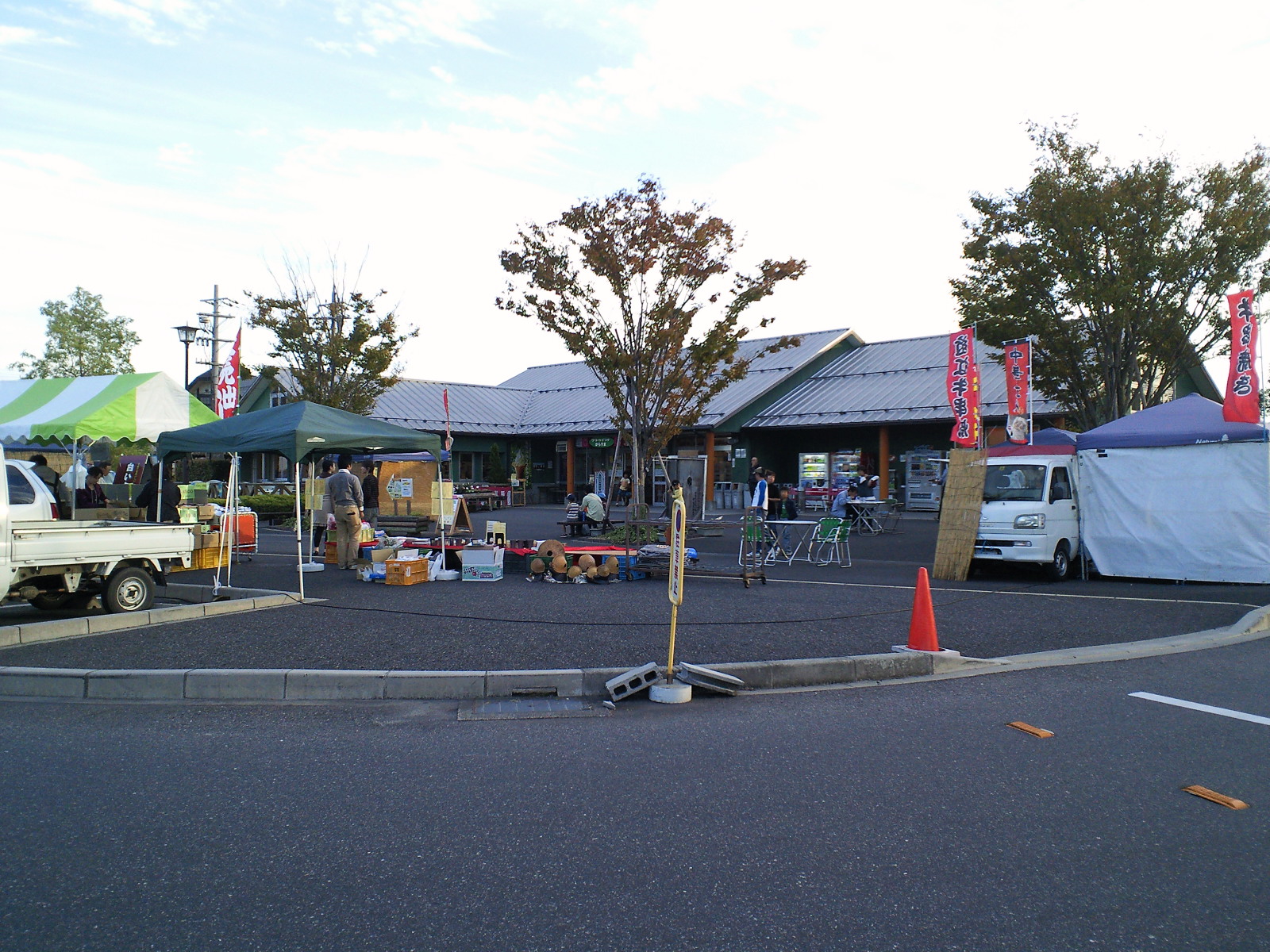 Representative Michi-no-Eki roadside station showing typical architecture and facilities. Photo by Kansai explorer, licensed under CC BY 3.0
Michi-no-Eki (道の駅, literally "road station") are government-designated rest areas along major highways and local roads in Japan, providing essential services for long-distance drivers. Along the San-in coastal route through Tottori and Shimane prefectures, these roadside stations serve as cultural gateways to the region's coastal seafood, traditional crafts, and local specialties. 🔗
The San-in region's roadside stations particularly emphasize seafood products from the Sea of Japan, traditional Izumo specialties, and regional agricultural products distinct from the inland Chugoku corridor. 🔗
Cultural & Historical Significance
Michi-no-Eki roadside stations represent a uniquely Japanese approach to highway infrastructure, combining practical rest stop services with cultural tourism and regional economic development. To register with the government as a Michi-no-Eki, facilities must provide three essential functions: free 24-hour parking, free 24-hour rest facilities (restrooms), and information services. 🔗
In the San-in region specifically, roadside stations serve an additional cultural preservation role - showcasing traditional coastal fishing culture, regional crafts, and agricultural products from an area that has historically been more isolated than the southern San-yo corridor. These stations help sustain local economies by providing direct-to-consumer sales channels for farmers, fishermen, and artisans. 🔗
Important Distinction: Michi-no-Eki are located along national highways and general roads (like Route 9), not directly on expressways. For the San-in coastal route, these stations are integrated into the journey along coastal roads rather than requiring expressway exits. 🔗
Visiting Information
Hours: Parking and restrooms available 24/7 year-round; farmers markets, restaurants, and shops generally operate 8:00 AM - 8:00 PM 🔗
Route Context: Located along Route 9 and coastal roads through San-in region, integrated into journey rather than requiring detours
Seasonal Considerations for Late October:
- Autumn seafood season with Sea of Japan crab beginning (pre-peak season preparation)
- Late autumn harvest: sweet potatoes, chestnuts, persimmons, regional specialties
- Oyster season preparation (full season begins November)
- Cool coastal weather, comfortable for rest stops 🔗
24-Hour Facilities:
- Free parking (all stations, year-round)
- Clean restrooms (all stations, year-round)
- Vending machines (most stations)
- EV charging stations (increasingly common) 🔗
Limited-Hour Facilities (typically 8am-8pm):
- Farmers markets and fresh seafood sections
- Restaurants featuring regional coastal cuisine
- Souvenir shops and specialty product stores
- Tourist information centers
The Experience
Notable San-in Roadside Stations
Tottori Prefecture:
Michi-no-Eki Daisen Megumi no Sato Located near Mount Daisen (sacred mountain visible from much of San-in region), this station features:
- Fresh vegetables from Daisen highland farms
- Local dairy products from mountain pastures
- Daisen soba (buckwheat noodles)
- Seasonal mountain products and preserved goods 🔗
Michi-no-Eki Kotoura Coastal location offering:
- Fresh seafood from local fishing ports
- Kotoura beef products
- White squid specialties (regional delicacy)
- Traditional fishing village crafts
Shimane Prefecture:
Michi-no-Eki Akisato Near Matsue area featuring:
- Lake Shinji shijimi clams (famous regional specialty)
- Local agricultural products
- Shimane sake and fermented products
- Traditional crafts from Matsue region 🔗
Michi-no-Eki Kashima (near Izumo) Close to Izumo-taisha, offering:
- Izumo soba specialty shops
- Local sake breweries' products
- Takezaki oysters (in season November-March, early season availability late October)
- Shinto shrine-related crafts and souvenirs 🔗
Michi-no-Eki Yunotsu Onsen Historic hot spring town station:
- Local onsen-related products and skincare
- Traditional sweets and confections
- Regional craft items
- Information about historic onsen district
San-in Regional Food Specialties
Coastal Seafood (Primary San-in Identity):
- Matsuba Crab (Zuwai Crab): Season begins November 6, preparation visible in late October
- White Squid (Shiroi-ka): Tottori regional specialty, available year-round
- Sea of Japan Fish: Fresh daily catches, seasonal varieties
- Shijimi Clams: Lake Shinji famous for these small freshwater clams 🔗
Izumo Region Specialties:
- Izumo Soba: Dark buckwheat noodles served in distinctive Warigo style (stacked lacquer bowls)
- Ago-noyaki: Flying fish products
- Sake: Izumo region traditional sake brewing
- Shinto Offerings: Special foods associated with Izumo-taisha traditions 🔗
Tottori Region Specialties:
- Nijisseiki Pears: Famous 20th Century pears (in season September-October)
- Daisen Dairy Products: Milk, cheese, ice cream from highland farms
- Tottori Wagyu: Regional beef varieties
- Sand Dune Products: Unique rakkyo (pickled scallions) grown in sand dunes 🔗
Mountain-Coast Transition Products:
- Mountain vegetables (sansai) from Chugoku range
- Preserved foods reflecting historical isolation
- Traditional fermented products
- Regional miso and shoyu variations
Comparison with Main Route Stations
San-in Route Distinctive Features:
- Seafood Focus: Fresh Sea of Japan catches vs. Seto Inland Sea products
- Rural Character: More traditional, less commercialized than main corridor stations
- Cultural Depth: Stronger connection to regional identity and preservation
- Seasonal Variations: More dependent on fishing seasons and local harvests
Main Route Characteristics:
- Higher Volume: Busier stations with more commercial offerings
- Faster Service: Quick-service focus for expressway travelers
- Broader Selection: More variety but less regional specificity
- Standardization: More predictable but less unique experiences 🔗
Practical Visiting Tips
Strategic Rest Stop Planning
For the San-in coastal route (longer journey with general road sections), roadside stations serve multiple purposes:
Rest Break Strategy:
- Plan stops every 2 hours for safety and comfort
- Integrate with cultural site visits (Matsue, Izumo)
- Allow flexibility for discovery vs. scheduled stations
- Use as meal breaks showcasing regional cuisine 🔗
Timing Strategy for 2-Day Journey (Oct 30-31):
Day 1 (Kinosaki → Matsue/Izumo area):
- Morning: Tottori area station (after 2-3 hours driving)
- Lunch: Daisen area or Yonago region station
- Afternoon: Matsue area station before accommodation
Day 2 (Matsue/Izumo → Itoshima):
- Morning: Izumo area station (near Izumo-taisha)
- Mid-route: Western Shimane or Yamaguchi stations
- Final leg: Transition to Kyushu route stations
Money-Saving Options
Direct-from-Producer Pricing:
- Fresh seafood significantly cheaper than restaurants
- Seasonal produce at farm-direct prices
- Regional specialties at source locations (best value)
- Prepared foods and bento boxes cheaper than sit-down meals 🔗
Free Services:
- 24-hour parking always free at all Michi-no-Eki
- Restroom facilities no charge
- Tourist information and maps complimentary
- Often free WiFi available 🔗
Value Purchases to Seek:
- Lake Shinji Shijimi Clams - Famous regional specialty, best prices at source
- Izumo Soba Noodles - Dry noodles for home cooking, authentic Izumo region
- Local Sake - Brewery-direct pricing at regional stations
- Seasonal Seafood - Fresh daily catches, superior to destination markets
- Traditional Crafts - Artisan-direct sales support local makers
Roadside Station Culture in San-in
Regional Distinctions:
- Slower Pace: Less rushed atmosphere than expressway service areas
- Personal Connection: Often staffed by local producers and craftspeople
- Seasonal Emphasis: Product availability closely tied to harvests and fishing seasons
- Cultural Pride: Strong emphasis on regional identity and tradition 🔗
Visitor Etiquette:
- Support local economy by purchasing regional specialties
- Respect 24-hour quiet hours (no camping, just parking for rest)
- Try regional delicacies and traditional preparations
- Engage with staff about local recommendations (many speak basic English in tourist areas)
- Collect station stamps if participating in Michi-no-Eki rally programs
Late October Seasonal Highlights
Autumn Harvest Season:
- Peak season for autumn produce: sweet potatoes, chestnuts, persimmons
- Mountain vegetables transitioning to preserved varieties
- New rice from autumn harvest appearing in markets
- Autumn seafood preparations for winter season 🔗
Early Winter Seafood Preparation:
- Matsuba crab season begins November 6 - preparation visible in late October
- Oyster season starting (full season November-March)
- Pre-season pricing and selection of winter specialties
- Fresh catches still abundant before winter weather impacts 🔗
Weather Considerations:
- Cool coastal temperatures, comfortable for rest stops
- Autumn weather generally stable for coastal driving
- Indoor facilities welcome warmth during breaks
- Clear autumn skies excellent for coastal photography
Integration with Route Journey
Cultural Connection Points:
Pre-Matsue Stations (Tottori Region):
- Introduction to San-in seafood culture
- Mountain-coast transition products
- Preparation for Izumo region cultural immersion
Matsue-Izumo Area Stations:
- Peak regional specialty access (Lake Shinji clams, Izumo soba)
- Shinto cultural products near Izumo-taisha
- Deepest engagement with San-in identity
Western Shimane Stations:
- Continuation of coastal culture
- Transition toward Yamaguchi and western Honshu
- Final San-in region products before route change
Route Strategy:
- Use roadside stations to supplement limited expressway service areas
- Integrate cultural education with practical rest needs
- Allow discovery time - some best experiences are unexpected finds
- Purchase regional specialties at source for best value and authenticity 🔗
Driving Safety Reminder:
- Never drive more than 2 hours without rest
- Use roadside station stops for stretching and refreshment
- Stay hydrated and alert on longer coastal route segments
- Switch drivers if traveling with companion 🔗
Location: Various locations along Route 9 and coastal roads through Tottori and Shimane prefectures - see specific station names for individual locations
Adapted from general Michi-no-Eki research with San-in regional specialization for route-specific context
Source: attractions/kinosaki-to-fukuoka-sanin-coastal-route/san-in-roadside-stations.md