
About
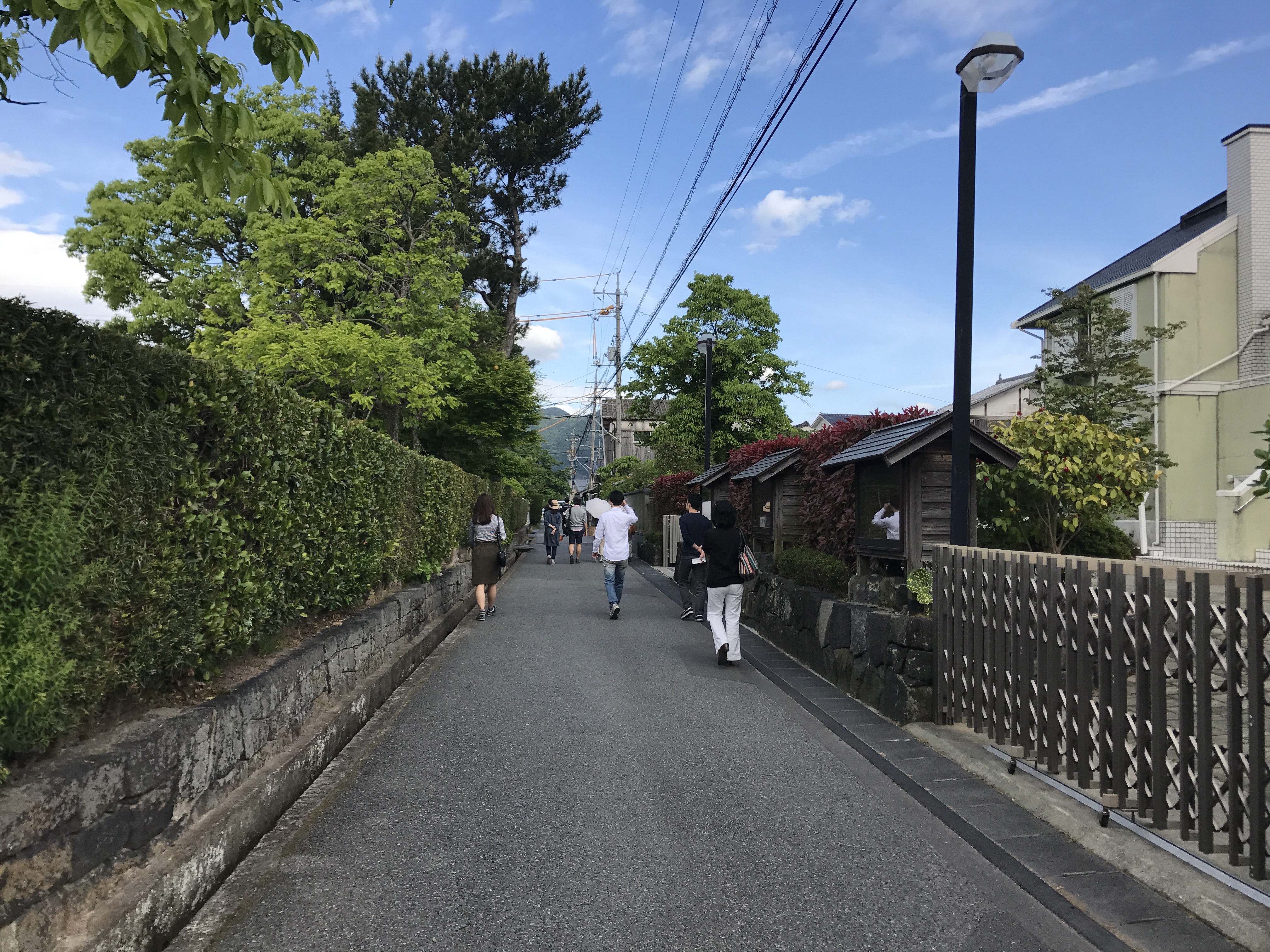 Traditional street view in Hagi Castle Town showing preserved Edo-period architecture and earthen walls. Source: Wikimedia Commons
Hagi Historic Samurai Town is a UNESCO World Heritage Site and one of Japan's best-preserved Edo-period castle towns, designated as a component of the "Sites of Japan's Meiji Industrial Revolution: Iron and Steel, Shipbuilding and Coal Mining" in July 2015. 🔗 Located in northern Yamaguchi Prefecture along the Sea of Japan, Hagi is widely recognized as the birthplace of the Meiji Restoration and features an intact samurai district with traditional streets, earthen walls, and castle ruins that have remained largely unchanged since the Edo period (1603-1868). 🔗
The former castle town was declared a National Historic Site in 1967 and is recognized as a Nationally Important Preservation District for Groups of Traditional Buildings, offering visitors authentic scenery from Edo Period Japan. 🔗 One visitor described Hagi as "the premier samurai town in the whole of Japan." 🔗
Cultural & Historical Significance
Edo-Period Castle Town Preservation
Hagi served as the castle town of the powerful Choshu Domain during the Edo period. The historic samurai district extends southeast of the castle ruins and features distinctive kaimagari (meaning "key turns")—narrow lanes designed with sharp right angles and towering earthen walls on both sides to aid in defense by blocking invading forces from gaining clear lines of sight. 🔗
The streets are lined with namako-kabe (sea-cucumber walls)—white-plastered and black-tiled earthen walls with striking white crisscross patterns that symbolize the area's prosperity. 🔗 The original town plan from the Edo period remains intact, creating an authentic historical atmosphere.
Birthplace of the Meiji Restoration
Hagi rose to national prominence near the end of the shogunate as a leader in the movement to topple the Tokugawa regime and restore central power to the emperor. 🔗 The town became the intellectual birthplace of modern Japan, where educator Yoshida Shoin (1830-1859) taught revolutionary samurai at the Shokasonjuku Academy.
His students included leaders who later became prominent figures in the Meiji government: Ito Hirobumi (Japan's first Prime Minister), Takasugi Shinsaku, and Yamagata Aritomo. 🔗 Yoshida Shoin's educational philosophy emphasized identifying individual strengths and encouraging open, vigorous debates regardless of students' social status. 🔗
UNESCO World Heritage Recognition
In July 2015, Shoka Sonjuku Academy and Yoshida Shoin's Old Residence of Confinement were registered on the UNESCO World Heritage List as part of "Sites of Japan's Meiji Industrial Revolution." 🔗 This recognition acknowledges Hagi's role as the intellectual birthplace where revolutionary ideas sparked Japan's transformation from feudal state to industrialized nation. 🔗
Visiting Information
Access from Yamaguchi City: 38 km (23 miles), 34-36 minutes drive via Route 262 🔗
Access from Shin-Yamaguchi Station: 28 miles (45 km), approximately 43 minutes drive 🔗
Via Expressway: Take Ogori Hagi Road to Edo Interchange; from Edo IC to downtown Hagi: approximately 20 minutes 🔗
Detour Context: From the main Yamaguchi-to-Kyushu corridor, Hagi requires approximately 60-90 minutes detour each way, making it a half-day minimum commitment (3-4 hours total with travel) or ideally a full-day/overnight stop.
Parking: Central parking area next to Central Park (Chuo Koen) near Meirin Bus Center; Hagi Castle Ruins: 51 spaces at Shizuki Park; Additional parking at Hagi Meirin Center. 🔗 🔗 Because Hagi is a small city with tourist destinations that have parking lots, renting a car is a suggested option for sightseeing. 🔗
Hours:
- Hagi Castle Ruins (Shizuki Park): 8:00 AM - 6:30 PM (April-October); 8:30 AM - 4:30 PM (November-February); 8:30 AM - 6:00 PM (March) 🔗
- No regular holiday (open daily year-round)
- Samurai district streets: Always accessible for walking tours
Admission: Castle Ruins ¥220 (adult), ¥100 (elementary/junior high school); Combined ticket includes former Asa Mori family Hagi mansion; Individual samurai residences charge additional fees. 🔗 🔗
Current Status: Open and accessible (as of 2025). Note: Shizukiyama shrine near castle ruins currently not accessible due to bee infestation; main castle ruins area remains fully accessible. 🔗
Seasonal Considerations: October 30 timing offers mild autumn weather (10-17°C, 61% clear skies), comfortable walking conditions, and Kimono Week festival with bamboo lantern lighting. 🔗
The Experience
Hagi Castle Ruins (Shizuki Park)
Built in 1604, Hagi Castle served for two and a half centuries as the seat of the Mori Clan before being destroyed after the end of the feudal era—today only its moats and impressive stone walls survive. 🔗 The ruins are located in pleasant Shizuki Park at the northwestern tip of the city, approximately 2.5 kilometers from Higashi-Hagi Station, offering beautiful views and a peaceful setting. 🔗
Horiuchi Samurai District
The Horiuchi district occupies the northwest area, from Hagishi Central Park to the former Hagi Castle site 1.5 km northwest. 🔗 This area was home to wealthy samurai and merchants, featuring stately manors of high-ranked vassals behind tall earthen walls interspersed with impressive gates.
The district is known for Horiuchi Kaimagari (Inside-the-Moat Lanes)—narrow alleys designed to confuse intruders with earthen walls on either side and sharp right-angle turns to disorient attackers. 🔗 Famous lanes include Kikuya Yokocho (one of the most picturesque parts), Edoya Yokocho, and Iseya Yokocho. 🔗
The streets feature iconic namako-kabe walls with striking white cross-hatchings on black tiles, and beautiful summer oranges (natsumikan) hanging over the walls. 🔗
Shokasonjuku Academy
Part of the UNESCO World Heritage Site, this small academy (50 m², consisting of an 8-mat classroom, 10-mat prep room, and earthen floor) was founded in 1842 and became one of the most significant centers of philosophical and political thought critical to Japan's industrial modernization. 🔗
Educator Yoshida Shoin taught here, accepting students regardless of social status and emphasizing identifying individual strengths while encouraging open, vigorous debates. 🔗 In just over one year, he produced many future members of the Meiji government who led the Meiji Restoration—his influence was so profound that the academy received UNESCO World Heritage status.
Jokamachi District & Walking Tours
The broader castle town area features additional samurai and merchant quarters with beautiful earthen walls and well-preserved traditional buildings. 🔗 The original town plan from the Edo period remains intact, lined with characteristic low walls and residential structures.
The historic districts are easily explored on foot or by bicycle (rentals available near JR Higashi-Hagi Station, castle site, and castle town). 🔗 Rickshaw rides are available near the central parking area for a traditional touring experience. Free maps from Meirin Gakusha Tourist Information next to Meirin Bus Center. 🔗
Hagi-yaki Pottery Workshops
Hagi is famous for Hagi-yaki pottery, a 400-year Korean artisan tradition. 🔗 Multiple pottery workshops throughout the historic district offer opportunities to see traditional ceramic arts and purchase authentic pieces. The pleasant street of vendors allows visitors to buy Hagi-yaki pottery with friendly local artisans. 🔗
Practical Visiting Tips
Driving Visitor Strategy: Park at castle ruins (51 spaces) or central parking area near Central Park. Historic district is compact and walkable (1.5 km between central park and castle)—pedestrian/bicycle preferred in core areas once parked. Consider parking centrally and walking/cycling to sites rather than moving car multiple times.
Route Integration: Hagi represents the intellectual and revolutionary heart of the Meiji Restoration, making it essential for understanding Japan's transformation from feudal society to modern nation. The major detour from the Yamaguchi-Kyushu corridor (60-90 minutes each way) means Hagi functions best as either an extended stop (3-4 hours including 1.5-2 hours in historic district) or overnight destination (full day/evening allowing relaxed exploration).
Photography Strategy:
- Kikuya Yokocho: Most picturesque narrow lane with earthen walls 🔗
- Castle ruins stone walls: Impressive fortifications against park greenery
- Namako-kabe walls: White-patterned earthen walls with natsumikan oranges
- Kaimagari lanes: Defensive right-angle turns create interesting compositions
- Evening lantern streets: Bamboo lantern lighting during Kimono Week
Visit Timing: Visit castle ruins early morning (8:00 AM opening) for fewer visitors. Most Hagi attractions close by 5:00 PM, so plan arrival by early afternoon for samurai district exploration. October is moderate season (not peak tourist rush), with recent visitors noting the area can be "nice to be quiet." 🔗
Money-Saving Options: Samurai district streets free to walk and explore; Combined ticket for castle ruins + Asa Mori mansion provides value (¥220 adult); Select 2-3 paid samurai residences rather than visiting all; Free maps from tourist centers; Bicycle rental provides economical transportation. 🔗
Cultural Etiquette: Many samurai residences are privately owned—respect property boundaries; Photography may be restricted inside buildings—check signage; Remove shoes when entering traditional buildings; Maintain quiet respect in historic areas and sacred sites.
Weather Preparation: October weather ideal with 10-17°C temperatures. Layer clothing for comfortable walking; comfortable walking shoes essential for extensive historic street exploration; light rain jacket recommended; sun protection (hat, sunscreen) for daytime; evening jacket for lantern viewing during Kimono Week.
Admission Strategy: "There is a fee for most of" the old buildings, so "it's better to focus on where you want to go" rather than attempting every paid site. 🔗
Overnight vs Day Visit: Overnight stay benefits include experiencing evening atmosphere with Kimono Week lantern lighting, morning light photography without rush, traditional ryokan experience with kaiseki cuisine and hot springs, and relaxed exploration pace. 🔗 Day visit from Yamaguchi/Yuda Onsen feasible with early morning departure (36-minute drive), focusing on core attractions.
One visitor noted needing "much more time to explore than one full day" and recommended "3 full days if given unlimited time"—one for residences, one for temples/outer attractions, one for castle town center. 🔗 🔗
Major Detour Justification: The 60-90 minute detour each way (120-180 minutes total travel) plus minimum 3-4 hours on-site makes Hagi a significant time commitment. However, its status as UNESCO World Heritage Site for Meiji Industrial Revolution, birthplace of the Meiji Restoration and modern Japan, best-preserved samurai town with intact Edo-period urban planning, and home of revolutionary education makes it arguably the most historically significant stop possible along the Yamaguchi route. 🔗
Nearby Attractions: Within Hagi, visit Shoin Jinja Shrine (Meiji Restoration birthplace), multiple samurai residences, Meirin Elementary School (historic wooden buildings 250 meters east of Central Park), and Hiyako Samurai District. 🔗 🔗
Cultural Context: Visitors describe Hagi as having "country atmosphere, friendly people, history with modern town mix" and being "just a great place to be" with notably welcoming locals. 🔗 The relaxed, authentic atmosphere distinguishes it from more commercialized historic towns.
Source: attractions/kinosaki-to-fukuoka-yamaguchi-scenic-route/hagi-historic-samurai-town.md