
About
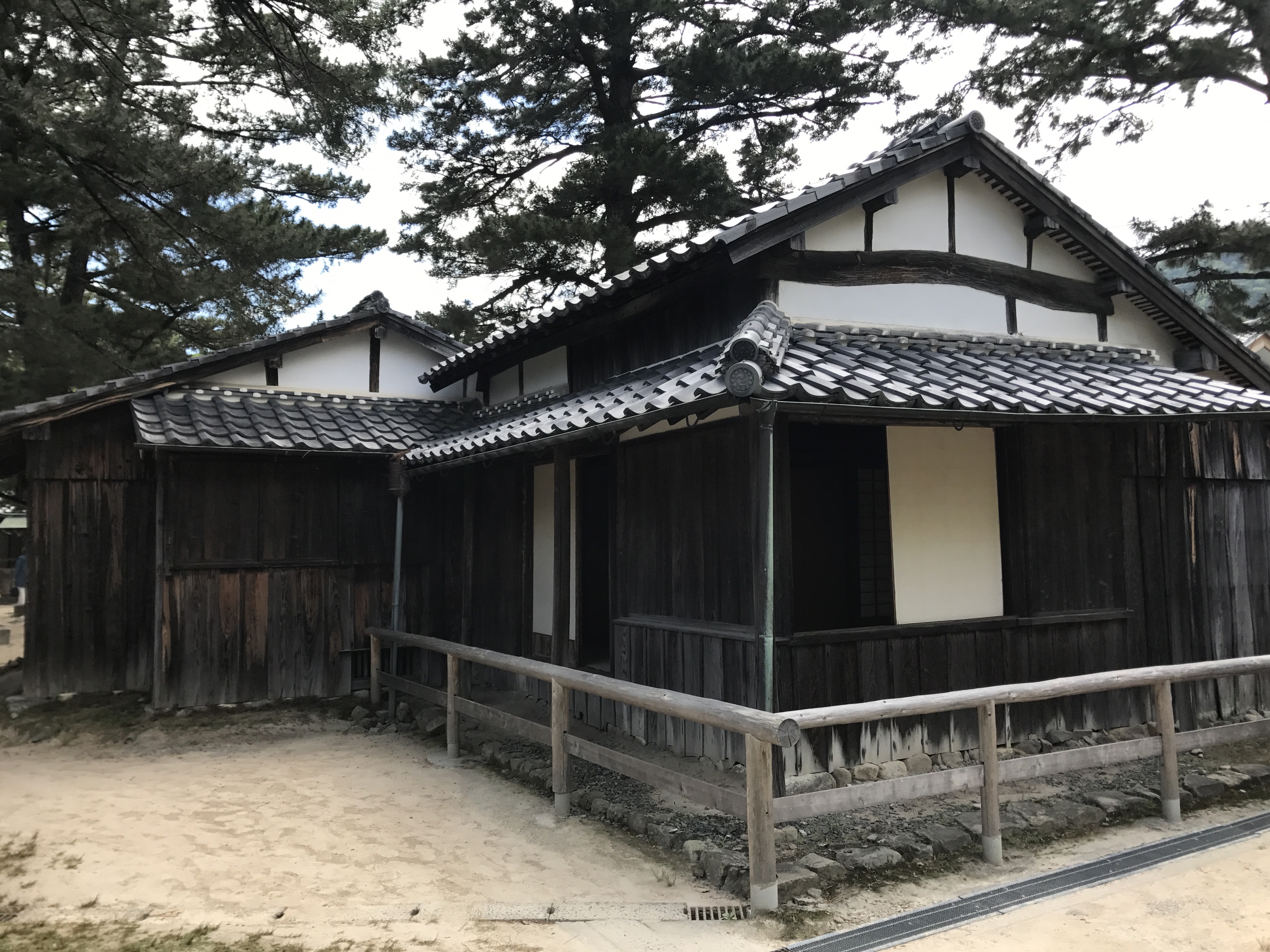 The UNESCO World Heritage-listed Shokasonjuku Academy building within the shrine grounds, where Yoshida Shoin taught his revolutionary students in the 1850s. Source: Wikimedia Commons
Shoin Jinja Shrine stands as a memorial to Yoshida Shoin, the influential educator whose revolutionary ideas shaped Japan's Meiji Restoration. Built in 1907 by two of his most famous students—four-time prime minister Ito Hirobumi and diplomat Nomura Yasushi—the shrine complex preserves the UNESCO World Heritage-listed Shokasonjuku Academy where Shoin taught for just over a year before his execution at age 30. 🔗
The current shrine building was completed in 1955 and is located east of Hagi's former castle town, with multiple museums and monuments documenting Yoshida Shoin's life and legacy. 🔗
Cultural & Historical Significance
Yoshida Shoin (1830-1859) was an influential educator whose revolutionary philosophy helped spark the Meiji Restoration. His educational approach at Shokasonjuku Academy rejected social hierarchy, accepting students regardless of status and emphasizing identifying individual strengths while encouraging open, vigorous debates. 🔗
His students included leaders who later became prominent figures in the Meiji government: Ito Hirobumi (Japan's first Prime Minister), Takasugi Shinsaku, and Yamagata Aritomo. 🔗 Despite teaching for just over a year before his execution at age 30, Shoin's influence was so profound that the academy received UNESCO World Heritage status in 2015 as part of "Sites of Japan's Meiji Industrial Revolution." 🔗
Visiting Information
Access:
- From Higashi-Hagi Station: 20-minute walk or take Maru Bus East Loop line to "Shoin Jinja-mae" bus stop
- By bicycle: 10-minute ride from station area
- By taxi: 5 minutes from Higashi-Hagi Station
- From Shin-Yamaguchi Station: Take Super Hagi-go nonstop bus (1 hour) to Higashi-Hagi Station 🔗 🔗
Parking: Free parking available on-site. Hagi has abundant parking throughout tourist areas. 🔗 🔗
Route Context: Located east of Hagi city center, positioned between central samurai district and Tokoji Temple. Approximately 15 minutes walking distance (or 2-3 minutes driving) from Higashi-Hagi Station. Part of Major Detour (Hagi 60-90 minutes each way from main Yamaguchi-Kyushu corridor). 🔗
Operating Hours:
- Shrine grounds: Open daily
- Museums: 9:00 AM - 5:00 PM (last entry 4:30 PM), open 7 days a week with occasional irregular closures 🔗 🔗
Admission Fees:
- Shokasonjuku Academy exterior viewing: Free
- Yoshida Shoin History Museum: Adults ¥500, junior/senior high school students ¥250, elementary school students ¥100, preschool children free
- Shoin Shrine Treasure Hall: Partial free access, some areas require museum admission 🔗 🔗 🔗
Facilities: Museum shop in Treasure Hall building. English-speaking volunteer guides available free of charge. English explanations and audio guides in History Museum. 🔗 🔗
Seasonal Considerations: Late October offers comfortable autumn weather for exploring outdoor shrine grounds and historical buildings. No specific festivals or events identified for October 30-31.
The Experience
Shrine Complex Layout
Historical Structures:
-
Shokasonjuku Academy (松下村塾) - The remarkably small 8-tatami mat classroom where Yoshida Shoin taught, designated as UNESCO World Heritage Site in 2015. The 50 m² structure consists of an 8-mat classroom, 10-mat prep room, and 3.3 m² earthen floor. Visitors can view interior through opened sliding panels, with Yoshida Shoin's portrait hanging at rear of main room. 🔗 🔗
-
Sugi Family Residence - Yoshida Shoin's childhood home, located in center of shrine complex alongside academy 🔗
-
Yoshida Shoin's Confinement Room - Part of historical buildings on grounds 🔗
Museums:
-
Yoshida Shoin History Museum (吉田松陰歴史館) - Features 70 life-size wax figures depicting events of Yoshida Shoin's 30 years of life, divided into 20 chronological sections. Exhibits include audio guides and explanation boards making history accessible to visitors of all ages. 🔗
-
Shoin Shrine Treasure Hall (Homotsuden) - Opened in 2009 in modern building with museum shop, documenting chronology of Shoin's life and teachings through exhibits of his writings and letters 🔗
-
Shiseikan Building - Displays artifacts connected to Yoshida Shoin 🔗
Monuments and Memorials:
- Large stone memorial commemorating 1862 meeting of three Meiji revolutionaries: Tagami Toshichi, Sakamoto Ryoma, and Kusaka Genzui
- 100th anniversary memorial stone (1968) inscribed with words by then-prime minister Sato Eisaku
- Stone inscribed with poem by Yoshida Shoin 🔗
Museum and Academy Experience
Shokasonjuku Academy Viewing: The UNESCO World Heritage academy building is remarkably intimate in scale—only 50 m² total, with main 8-mat teaching room visible through opened sliding panels. A portrait of Yoshida Shoin hangs prominently at rear of classroom where he taught revolutionary students who would later lead Meiji Restoration. Exterior wooden structure and traditional architecture can be freely photographed and appreciated from shrine grounds without admission fees. 🔗 🔗
Yoshida Shoin History Museum: Museum employs 70 life-size wax figures arranged in 20 chronological sections depicting key moments from Yoshida Shoin's 30 years of life. Presentation style makes complex historical events accessible through visual storytelling supplemented by audio guides and multilingual explanation boards. Museum highlights include Shoin's early education and intellectual development, his attempt to board Commodore Perry's ships (leading to arrest), teaching at Shokasonjuku Academy, his execution at age 30, and posthumous influence on modern Japan. 🔗
Shoin Shrine Treasure Hall: Modern Homotsuden building (2009) houses original writings, letters, and documents by Yoshida Shoin, providing scholarly depth for visitors interested in his philosophical and educational theories. Museum shop offers related publications and souvenirs. 🔗
Educational Accessibility: English-speaking volunteer guides offer free tours of complex, providing invaluable context about Yoshida Shoin's philosophy, significance of academy's small size (representing his egalitarian teaching approach), and lasting impact of his revolutionary ideas. 🔗
Practical Visiting Tips
Route Integration: Shoin Jinja Shrine complements broader Hagi historical experience by providing intellectual and philosophical foundation for Meiji Restoration that samurai districts and castle ruins represent politically and militarily. Shrine offers human story behind revolutionary period. 🔗
Combined Visit Strategy:
- Hagi Castle ruins and Shizuki Park (morning) - Military and political power center
- Horiuchi samurai district - Residential architecture and social structure
- Shoin Jinja Shrine (midday/afternoon) - Intellectual and educational legacy
- Tokoji Temple (nearby) - Mori clan temple with lantern-lined cemetery
This sequence progresses from military/political power through social structure to intellectual foundations, providing comprehensive understanding of Hagi's role in Japanese modernization.
Travel Time from Other Hagi Attractions:
- From Hagi Castle ruins: Approximately 10-15 minutes drive
- From Horiuchi samurai district: 5-10 minutes drive
- To Tokoji Temple: 5 minutes drive or 15-minute walk
Visitor Strategy: Arrive at 9:00 AM opening to experience museums before potential midday visitors. Budget 30-40 minutes for History Museum wax figure exhibits. Allow 15-20 minutes for academy exterior viewing and grounds exploration. Consider engaging volunteer English-speaking guides for deeper context. Combine with Tokoji Temple visit (nearby, can be reached on foot).
Cultural Context: Understanding Yoshida Shoin's philosophy enhances appreciation of deliberately small academy size—he rejected social hierarchy in education, accepting students regardless of status. Intimate 8-mat classroom represents his revolutionary egalitarian teaching methods. 🔗
Photography Opportunities: Academy building exterior showing traditional wooden architecture, interior classroom view through opened sliding panels, stone monuments and memorial inscriptions throughout grounds, traditional shrine architecture and torii gates, autumn foliage framing historical structures (late October).
Money-Saving Options: Academy exterior viewing completely free. Shrine grounds can be explored without museum admission. Free volunteer guides provide expert context without guide fees. Combined exploration with nearby Tokoji Temple (also moderate admission) provides comprehensive experience at reasonable cost.
Photography: Academy exterior can be photographed. Interior visible through open sliding panels. Museum photography policies not specified (assume standard museum restrictions).
Driving Visitor Strategy: Free parking directly at shrine complex eliminates accessibility concerns. Can be easily paired with Tokoji Temple (nearby) or as part of comprehensive Hagi historical tour including castle ruins and samurai districts.
Timing Recommendations: Morning (9:00-11:00 AM) best for photography with natural light illuminating academy building and avoiding potential afternoon crowds. Combined visits easily integrate with broader Hagi exploration. Duration: Allow 1-2 hours for thorough exploration including museums, academy viewing, and grounds.
Location: View on Google Maps
Source: attractions/kinosaki-to-fukuoka-yamaguchi-scenic-route/shoin-jinja-shrine.md