About
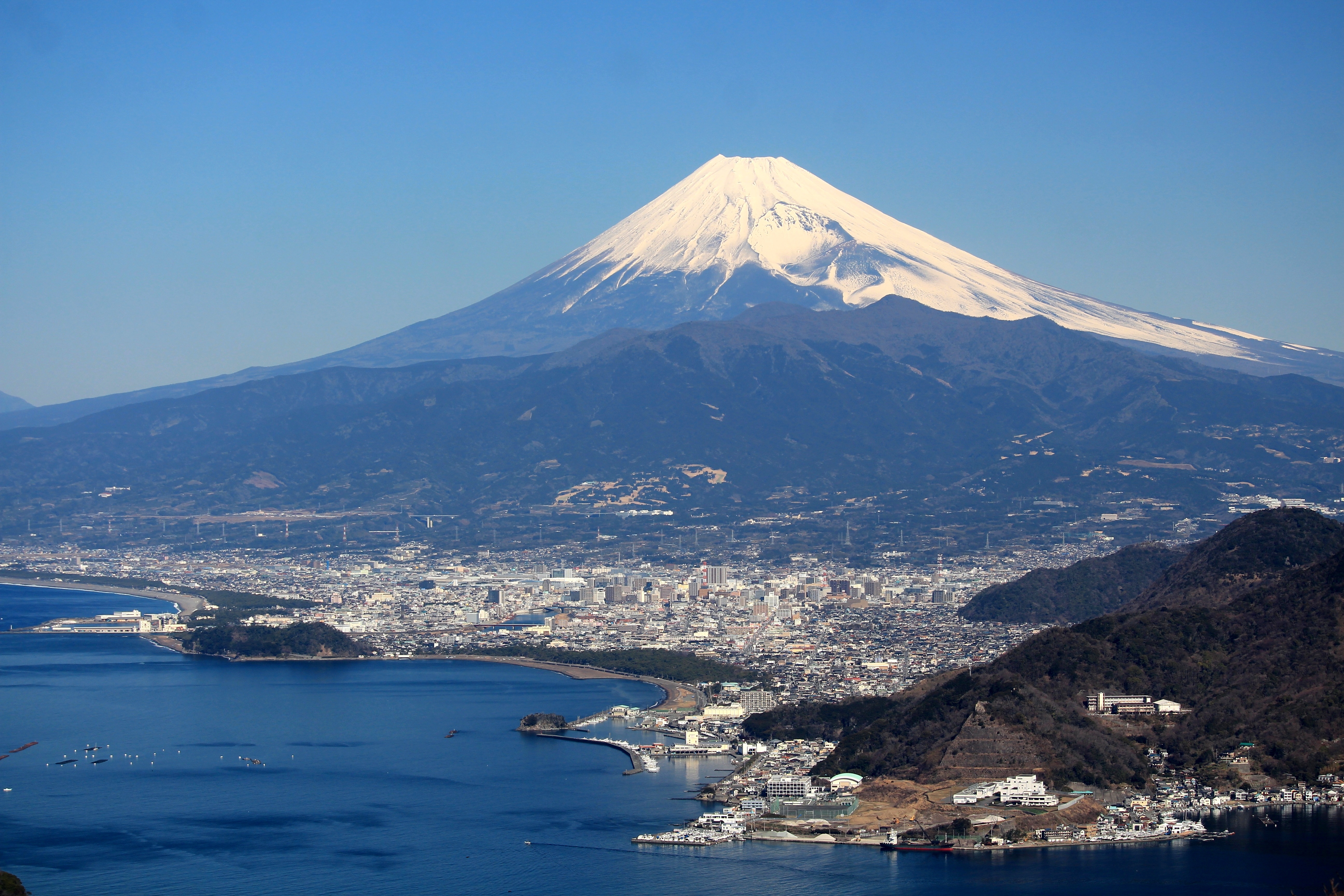 Panoramic view of Numazu City with Mount Fuji rising majestically in the background, showcasing the city's unique position between urban development and natural beauty. Photo: Wikimedia Commons
Numazu is a historic port city in Shizuoka Prefecture, positioned between Mount Fuji to the north and Suruga Bay (Japan's deepest bay at 2,500 meters) to the south. Located 130 kilometers west of Tokyo, the city serves as the geographical and cultural gateway to the Izu Peninsula, offering a unique blend of maritime heritage, scenic Mount Fuji views, and exceptional seafood culture. 🔗 🔗
Numazu's identity is deeply rooted in its relationship with Suruga Bay and Mount Fuji. The bay's extreme depth creates a nutrient-rich environment supporting about 40% of Japan's native fish species, making Numazu Port a vital commercial fishing hub and the source of the region's distinctive "deep-sea dining" culture. The city is particularly famous for its horse mackerel (aji), accounting for half of Japan's production. 🔗
Location: View on Google Maps
Cultural & Historical Significance
Historically, Numazu holds significance as the location of Hara-juku, the 13th of the 53 stations along the ancient Tokaido highway connecting Edo (Tokyo) and Kyoto. The iconic view of Mount Fuji from this former post town, often framed by pine trees, was immortalized by ukiyo-e artist Utagawa Hiroshige. The Imperial Family favored Numazu as a retreat, establishing a villa there in 1893, which is now a public memorial park. 🔗
The combination of Numazu's coastal landscape with Mount Fuji creates culturally iconic views that have inspired Japanese art for centuries. The reflection of Fuji in the Kano River, known as "upside-down Fuji," and the views from Senbon Matsubara (Thousand Pine Grove) represent classic motifs in Japanese spirituality and art, symbolizing the harmony of powerful natural forces. 🔗
Visiting Information
Access from Route:
- Exit Tomei Expressway at Numazu IC or Shin-Tomei at Nagaizumi Numazu IC
- Take National Route 414 and Prefectural Route 17 toward Numazu Port
- Distance from IC to port: 10-15 km, 15-20 minutes without traffic 🔗
Parking:
- Free parking at back of port area (farthest from restaurants)
- Multiple paid lots near Deep Sea Aquarium
- Parking fills quickly during holidays - arrive before 10:00 AM recommended 🔗
Operating Hours:
- Port Market Mall: 9:00-16:00 (Weekdays), 9:00-16:30 (Weekends/Holidays)
- Closed: Second and fourth Tuesday monthly
- Morning fish auction: 5:45-7:00 AM (free viewing from second floor) 🔗
- View-O Observatory: 10:00-20:00 (Thu 10:00-14:00), Closed Tuesdays
- Deep Sea Aquarium: 10:00 AM-6:00 PM (July-Aug until 7:00 PM)
Admission:
- Port area: Free
- View-O: Adults ¥100, Children ¥50
- Deep Sea Aquarium: Adults ¥1,800, Children ¥900, Infants ¥400 🔗
Route Context:
- Short detour: 15-30 minutes off Tomei/Shin-Tomei Expressway
- Adds approximately 30 km (30-60 minutes total) to main route
- Ideal mid-journey rest stop with cultural significance
November 7, 2025 Considerations:
- November offers 57% likelihood of clear Mount Fuji views due to cold, dry autumn air
- Early morning (6:00-9:00 AM) provides best visibility before clouds gather
- Average highs: 14°C (57°F), nights below 3°C (37°F) - dress warmly
- Peak autumn foliage season with excellent photography conditions 🔗
The Experience
Mount Fuji Viewpoints
View-O Observatory (Port Water Gate): Built in 2004 as both a tsunami protection gate and observation deck, View-O offers 360-degree panoramic views from 30 meters above ground, including Mount Fuji, Hakone mountains, Numazu Alps, Suruga Bay, and Osezaki Cape. 🔗
Senbon Matsubara (Thousand Pine Grove): A stunning 10-kilometer stretch of pine forest along the coast, recognized as one of Japan's top 100 beachside pine forests. The eastern end (Senbonhama Park) is particularly famous for views of Mount Fuji framed by ancient pines against Suruga Bay. The combination of evergreen trees, snow-capped Mount Fuji, and red sunset light creates the iconic imagery that has inspired Japanese artists for centuries. 🔗
Suruga Bay Cruise: A 30-minute sightseeing cruise departing from Numazu Port offers the most dramatic views of Mount Fuji rising directly from the sea. The cruise passes through the View-O water gate and out into Suruga Bay, providing unique perspectives from the water. Cruises operate up to five times daily (check schedule for November availability). 🔗
Numazu Port Area
Deep Sea Aquarium & Coelacanth Museum: The world's first museum centered on deep-sea species, showcasing over 100 species that live below 200 meters depth in Suruga Bay. Highlights include the Suruga Bay Large Tank featuring Japanese spider crabs, giant isopods, flapjack octopods, and bioluminescent species. The museum also displays three taxidermy and two frozen specimens of coelacanth, a "living fossil." 🔗
Fish Market & Restaurant District: Over 40 restaurants and seafood vendors surround the port, offering the freshest catches from Suruga Bay. The Numazu Minato Shinsenkan market mall provides seafood and Shizuoka specialties. The morning fish auction (5:45-7:00 AM) can be viewed from the second-floor corridor, offering insight into the city's commercial fishing heritage. 🔗
Seafood Specialties:
- Sakura Ebi: Tiny, sweet cherry shrimp caught only in Suruga Bay
- Shirasu: Fresh, semi-transparent whitebait served over rice
- Himono: Sun-dried fish, particularly horse mackerel (aji)
- Deep-Sea Fish: Unique species from Suruga Bay's extreme depths 🔗
Hot Spring Facilities
Numazu Yugawara Onsen Manyo-no-Yu: Located just 1.2 km from Tomei Expressway's Numazu IC, this hot spring facility offers indoor baths, open-air baths, and outdoor foot spa. Positioned alongside a "Michi no Eki" (roadside station) with local gourmet shops and souvenirs, it provides a convenient rest stop for driving travelers. 🔗
Practical Visiting Tips
Best Photo Spots
- View-O Observatory: 360-degree panoramas including Mount Fuji, Suruga Bay, and pine groves
- Senbonhama Park: Classic pine-framed Fuji views at sunrise/sunset
- Suruga Bay Cruise: Unique on-water perspectives of Fuji rising from the sea
- Senbon Matsubara Pine Grove: Walking paths through ancient pines with coastal vistas
Crowd Avoidance
- Visit port area before 10:00 AM or after 2:00 PM
- Weekday visits less crowded than weekends
- Consider takeout from restaurants to avoid dining queues
- Early morning fish auction viewing (5:45-7:00 AM) offers authentic experience without tourist crowds 🔗
Driving Visitor Tips
- Timing Options:
- Quick stop (1 hour): View-O + takeout seafood
- Standard stop (2-3 hours): Aquarium + sit-down meal + View-O
- Extended stop (3-4 hours): Full port area + Senbon Matsubara walk
- Parking Strategy: Free back lot for budget; paid lot near aquarium for convenience
- Fuel/Rest: Michi no Eki at Numazu Yugawara Onsen offers rest facilities and souvenirs 🔗
Cultural Etiquette
- Fish Market: Working environment - don't touch products, stay clear of forklifts and workers
- Onsen: Wash thoroughly before entering communal baths, keep towel out of water
- Restaurants: Many have plastic food displays; pointing is acceptable if language is a barrier
- Mount Fuji Viewing: Local tradition views Fuji as divine presence; respectful photography appreciated
Weather Preparation
- November Cold: Bring warm layers for early morning viewing and coastal walks
- Wind Protection: Suruga Bay coastal areas can be windy; windbreaker recommended
- Comfortable Walking Shoes: Senbon Matsubara pine grove involves 1-2 km coastal walking
- Camera Protection: Cold weather drains batteries quickly; bring extras
Route Integration
Position in Journey: Numazu sits approximately midway along the Osaka to Izu Peninsula highway route via Tomei/Shin-Tomei Expressway. The city provides a natural rest stop with cultural significance, offering drivers the opportunity to transition from highway driving to coastal Izu exploration while experiencing Mount Fuji views, maritime heritage, and fresh seafood.
Connection to Izu Peninsula: As the historical capital of Suruga Province and current transportation hub for Izu, Numazu shares the peninsula's core cultural elements: deep onsen culture, reverence for natural landscapes, and culinary focus on fresh seafood and local produce. The city acts as the industrial and historical anchor to the more resort-oriented towns deeper in the peninsula. 🔗
Tokaido Historical Connection: The former post town of Hara-juku connects Numazu to the ancient Tokaido highway (Edo-Kyoto route), adding historical depth to the modern driving experience along the expressway corridor that follows the same historic path. 🔗
Source: attractions/osaka-to-izu-main-route/numazu-city.md