About
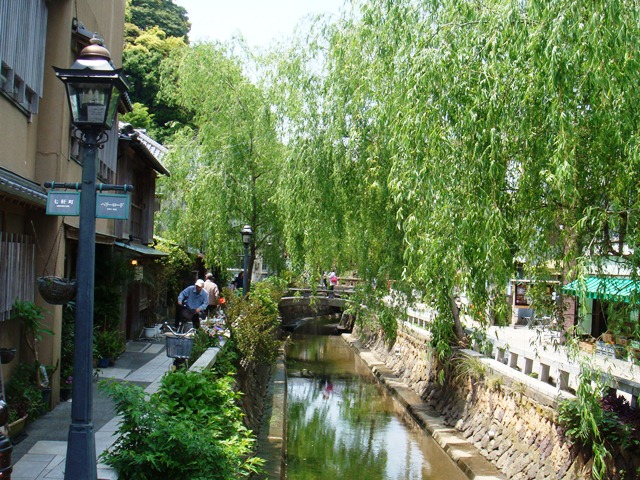 Perry Road, the historic 700-meter pathway where Commodore Perry and 300 subordinates marched from the harbor to Ryosenji Temple in 1854. Source: Wikimedia Commons
Shimoda's historic center commemorates Japan's dramatic transition from isolation to international engagement, centered on Commodore Matthew C. Perry's Black Ships arrival in 1854. This pivotal event led to the Treaty of Kanagawa and established Shimoda as one of Japan's first two ports (along with Hakodate) opened to American ships after more than 200 years of self-imposed isolation (sakoku). 🔗 🔗
The historic center encompasses multiple interconnected sites that together tell the comprehensive story of this transformative period. The area's significance deepened when Shimoda became home to Japan's first American consulate at Gyokusen-ji Temple, where Consul General Townsend Harris negotiated the 1858 Treaty of Amity and Commerce that vastly expanded trade and diplomatic relations. For a brief but pivotal period, Shimoda was the primary window through which Western influence entered Japan. 🔗
Modern Shimoda has reframed this initially humiliating event as a celebration of international friendship and the foundation of Japanese-American relations. The omnipresence of "Black Ship" and "Perry" branding throughout the town—from souvenirs and manhole covers to black-sesame ice cream—shows a community that has fully integrated this history into its modern identity. 🔗
The historic center features traditional Namako-kabe (sea cucumber wall) architecture with black walls overlaid with white raised diamond patterns, particularly visible along Perry Road and at the Shimoda Kaikoku Museum building. 🔗
Cultural & Historical Significance
The Black Ships Arrival (1854)
Commodore Matthew C. Perry's arrival fundamentally altered Japanese history. After more than 200 years of isolation (sakoku), Perry's fleet of steam-powered warships arrived in Shimoda Harbor in 1854, demonstrating military power that the Tokugawa shogunate could not resist. 🔗
The Treaty of Kanagawa, signed at nearby Ryosenji Temple, opened Shimoda and Hakodate as ports to American ships, provided for the care of shipwrecked sailors, and established the first American consulate in Japan. This pivotal moment set Japan on the path to the Meiji Restoration and rapid modernization. 🔗
From Humiliation to Celebration
What was initially perceived as a humiliating surrender to foreign pressure has been recontextualized by Shimoda as the foundation of Japanese-American friendship. The annual Black Ship Festival (Kurofune Matsuri) in mid-May celebrates this history with parades, historical reenactments, and U.S. Navy participation, demonstrating how the community has embraced this transformative period. 🔗
Architectural Heritage
The historic center showcases Namako-kabe architecture, an Edo-period construction technique featuring white plaster joints that resemble sea cucumbers (namako) on black slate or charcoal-gray tiles. Originally developed for storehouses (kura), these walls provided fire and moisture resistance while demonstrating the prosperity of Shimoda's merchant class. 🔗
Visiting Information
Getting There by Car from Osaka-Izu Main Route
From the Tomei/Shin-Tomei Expressway route to Izu:
- Detour Time: 60-90 minutes (one way) from northern/central Izu
- Distance: ~50-60 km south from Shuzenji or Mishima areas
- Route: Via Route 136 or Route 414 through central Izu Peninsula
- Parking: Multiple parking lots available in historic center area
- Navigation: Well-signposted as "Shimoda Historic District" (下田歴史地区) 🔗
Key Sites and Hours
Shimoda Kaikoku Museum (Shimoda History Museum):
- Hours: Information not definitively available; recommend calling ahead
- Admission: Adults ¥1,200 / High school/college students ¥1,000 / Elementary/junior high ¥700
- Address: 4-8-13 Shimoda, Shizuoka 415-0024
- Phone: 0558-23-2500
- English brochures available; Japanese only with some English explanations 🔗
MoBS (Museum of the Black Ship):
- Hours: 8:30 AM - 5:00 PM
- Admission: Adults ¥500 / Children ¥150-¥250
- Location: Adjacent to Ryosenji Temple, 10 minutes walk from station
- Phone: 0558-22-2805
- English-guided tours and documentaries available 🔗
Perry Monument & Shimoda Park:
- Hours: Open 24/7 (park access)
- Admission: Free
- Location: Perry Landing Monument on Prefectural Highway 117; additional monument in Shimoda Park
- Three park entrances: north parking lot, west side of Perry Road, and Shimoda Aquarium side 🔗
Perry Road:
- Hours: Open 24/7 (street access); shops/cafes vary
- Admission: Free
- GPS: 34.6714088, 138.9445209
- Most atmospheric when shops are open (typically 10 AM - 5 PM) 🔗
The Experience
The Historical Walking Route
Begin at Perry Landing Monument near Shimoda Harbor, where a bronze bust of Commodore Perry and a U.S. Navy-donated anchor mark the spot where Perry and his men landed in 1854. A "Friendship Flame" between Japan and the US has been burning here since 2004, the 150th anniversary of the Treaty of Kanagawa. 🔗
From the monument, follow Perry Road (Perii Rodo), the exact 700-meter pathway Perry and 300 subordinates marched from the harbor to Ryosenji Temple. This picturesque street features traditional Namako-kabe architecture, willow-lined canals, Western-style Meiji and Taisho period buildings, and bridges crisscrossing the waterway. Today it's packed with traditional craft shops, Japanese and Western restaurants, cafes, and pubs offering an exotic atmosphere. 🔗
The walk culminates at Ryosenji Temple, where the detailed supplementary Treaty of Shimoda was negotiated and signed, granting Americans the right to move freely within a designated area around Shimoda. The temple grounds and main hall are designated as a National Historic Site by the Japanese government. 🔗
Museum Experiences
Shimoda Kaikoku Museum provides comprehensive historical context beyond just the Perry expedition, displaying approximately 1,000 of its 2,000-item collection. Features include Perry's personal possessions, early photographs, woodblock prints, life-sized models of Black Ships, extensive historical documents, and dioramas depicting the ships' arrival. The museum covers Shimoda's maritime history, local culture, and the Izu Peninsula's past. 🔗
MoBS (Museum of the Black Ship) offers a more intimate, focused experience specifically on the "Black Ships" and the cultural clash between East and West. This compact museum excels in its narrative of the Bakumatsu period (end of Edo era), featuring fascinating artifacts, relics, and documents from key historical figures. Staff often provide English versions of documentaries for foreign visitors. 🔗
Shimoda Park houses a second major monument commemorating Perry and the opening of US-Japan diplomatic relations, built in 1957. The monument features relief statues of Perry and Harris with their words inscribed. The park covers a forested hill and is famous for 3 million hydrangeas that bloom in June. 🔗
Optional Experience: 20-minute sightseeing cruises around Shimoda Port in a ship designed to look like Perry's Black Ships offer a unique perspective on the harbor where the historic vessels anchored. 🔗
Practical Visiting Tips
Route Context & Timing
For travelers on the Osaka-Izu main highway route, Shimoda represents a significant major detour (60-90 minutes one way) to the southern tip of the Izu Peninsula. This full-day commitment makes most sense as:
- Dedicated Day Trip: Stay in northern/central Izu (Atami, Shuzenji, Ito) and make Shimoda a separate day trip
- Alternative Izu Base: Consider staying in Shimoda itself to explore both the historic sites and nearby southern Izu attractions
- Route Adjustment: If interested in southern Izu, plan accommodation in this area rather than attempting as a day detour from the main highway route
Driving Considerations
- Scenic Drive: The route to Shimoda through central Izu offers beautiful mountain and coastal scenery
- Road Conditions: Well-maintained but winding mountain roads - allow extra time
- Parking Strategy: Park at Shimoda Kaikoku Museum area (central location) and walk to all sites
- Traffic: Minimal on weekdays; moderate on weekends, especially during cherry blossom and beach season 🔗
November Seasonal Considerations
- Weather: Mild daytime temperatures of 15-19°C (59-65°F) with 66% humidity. Bring a sweater or light jacket. Average precipitation is 86.73mm, so pack rain gear. 🔗
- Crowds: November is outside peak tourist season, offering quieter exploration without large crowds. More personal, contemplative museum experiences expected.
- Autumn Scenery: Late October to mid-November sees the beginning of autumn foliage season in the Izu Peninsula. The tranquil atmosphere of Perry Road along the canal is particularly atmospheric during crisp autumn weather. 🔗
- National Holidays: Be aware of Culture Day (November 3) and Labor Thanksgiving Day (November 23), which may see more local visitors.
Best Photo Spots
- Perry Road canal with willow reflections and traditional bridges
- Perry Landing Monument with harbor backdrop
- Shimoda Kaikoku Museum's impressive Namako wall exterior
- Ryosenji Temple grounds with historical context
- Shimoda Park monuments with Pacific Ocean views
Crowd Avoidance Strategies
- Visit museums at opening time (8:30-9:00 AM) for quietest experience
- Explore Perry Road before 10 AM or after 3 PM when day-trippers are fewer
- Weekdays will be quieter than weekends
Money-Saving Options
- Perry Road, monuments, and Shimoda Park are free to explore
- Combined museum visits total approximately ¥2,200 per adult (both museums plus Ryosenji treasure house)
- Walking the entire historic route requires no transportation costs once parked
Local Etiquette
- Museums request no flash photography of artifacts
- Ryosenji Temple is an active religious site; show respect in temple halls
- Perry Road shops appreciate browsing customers but expect purchases if extensively handling merchandise
- Remove shoes when entering temple buildings
- Speak quietly in museum spaces
Museum Strategy
- If time-limited, MoBS provides the most focused Black Ships experience (45-60 minutes)
- For comprehensive historical context, prioritize Shimoda Kaikoku Museum (60-90 minutes)
- Request English documentaries or brochures at museum entrances
- Allow extra time for gift shop browsing (unique Black Ships merchandise)
Recommended Timing
Begin with the Perry Landing Monument near the harbor in the morning, walk Perry Road mid-morning (allowing time for cafe stops), visit Ryosenji Temple and MoBS before lunch, explore Shimoda Kaikoku Museum in early afternoon, and finish with Shimoda Park in late afternoon for sunset views if weather permits.
Full day recommended: 4-6 hours minimum to thoroughly explore all historic sites. Individual museums take 45-60 minutes each; Perry Road walk is 15 minutes end-to-end but allow extra time for browsing shops/cafes. 🔗
Location: View on Google Maps
Source: attractions/osaka-to-izu-main-route/shimoda.md