About
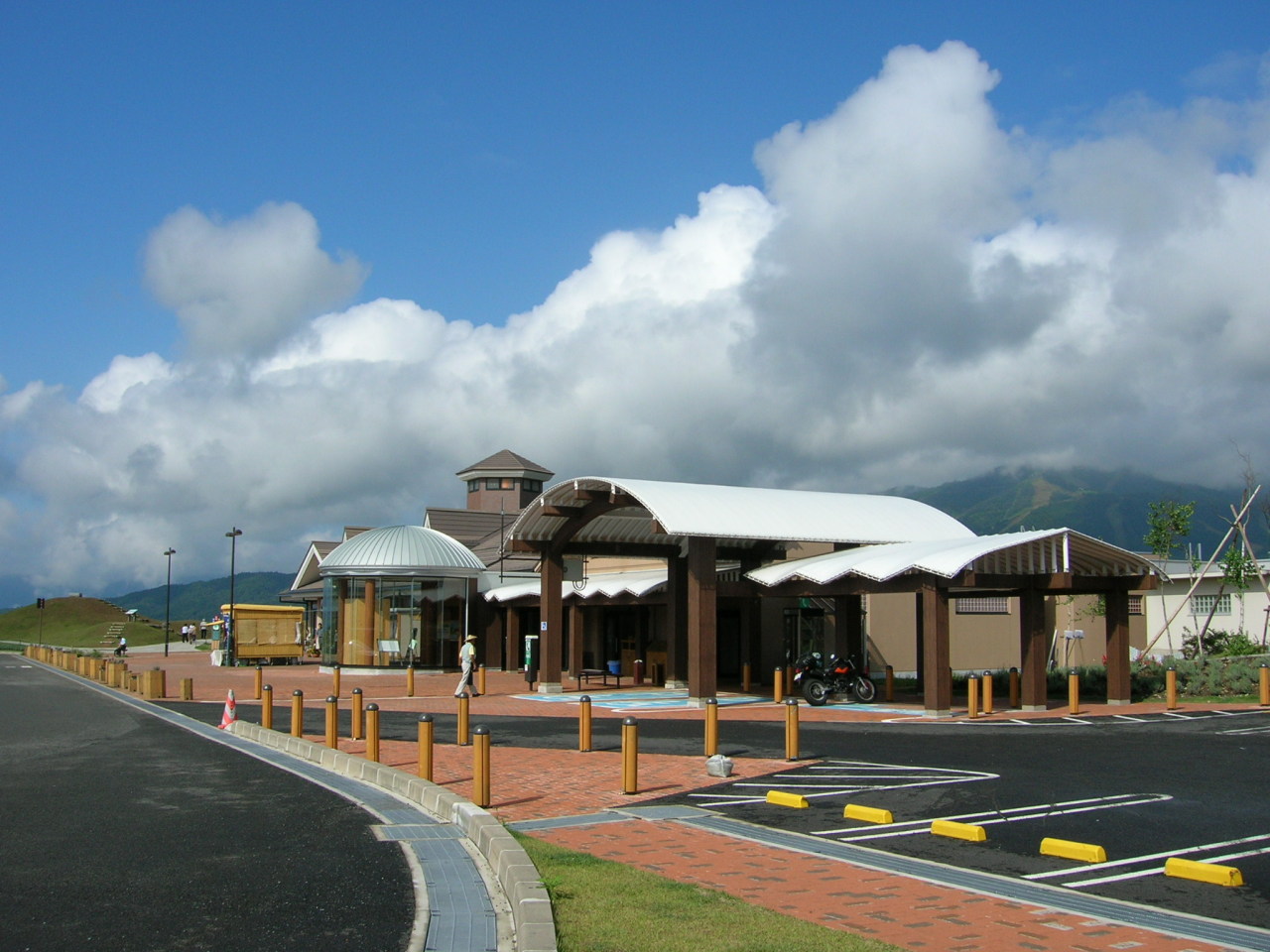 Hirugano Kogen Service Area on the Tokai-Hokuriku Expressway, one of the major rest facilities between Takayama and Kanazawa - Source: Wikimedia Commons
The Takayama to Kinosaki route (225-226 miles / 360-365 km) follows multiple expressway systems with strategically spaced service areas approximately every 50 kilometers. Japanese service areas serve as "more than just pit stops"—they're cultural showcases featuring local craftwork, regional cuisine, and seasonal specialties unique to each area, transforming necessary rest breaks into experiences reflecting regional culture transitions. 🔗
Service areas and parking areas are positioned approximately every 15 kilometers along Japanese expressways, with larger service areas every ~50 km. This provides regular opportunities for rest, refreshment, and experiencing regional specialties while maintaining safe driving practices. 🔗
Cultural & Culinary Significance
Service Areas as Cultural Experiences
Japanese expressway service areas represent a unique cultural phenomenon where regional identity, craft traditions, and culinary specialties converge for travelers. Unlike typical highway rest stops, Japanese SAs function as:
Regional Showcases: Each service area features products, crafts, and foods representing the specific region and prefecture, creating a progressive cultural experience as travelers move through different areas. 🔗
Culinary Journeys: Service areas along this route offer a gastronomic journey through three distinct regions:
- Hida/Gifu Region (Nagaragawa/Seki SA): Hida Beef, Takayama Ramen, mountain vegetables
- Hokuriku Region (Nanjo SA): Coastal seafood, Fukui specialties, transitional cuisine
- Kansai Transition (Maizuru-Wakasa): Wakasa Bay seafood, Kansai-style flavors 🔗
Craft and Product Centers: Local artisan products at SAs often include items not easily found in major cities—Seki knives, Mino washi paper, regional ceramics, gold leaf products—allowing travelers to support local craftspeople and acquire unique souvenirs.
Smart Interchange Opportunities: Some service areas like Hirugano Kogen feature Smart Interchanges allowing temporary exit to explore nearby attractions, roadside stations, or local viewpoints, then re-enter the expressway seamlessly. 🔗
Major Service Areas on Route
Nagaragawa Service Area (長良川SA)
Location: Seki City, Gifu Prefecture (Kanazawa/Takayama-bound direction) Position: First major SA heading toward Kanazawa from Takayama, approximately 60-90 minutes driving Type: Full Service Area - Recommended for meal breaks 🔗
Facilities:
- Restaurants and food courts (hours vary by facility)
- Shopping areas with local Seki and Hida products
- Clean restrooms with modern facilities
- Parking for all vehicle types
- Tourist information counter
- ATM services
Food Specialties:
Takayama Ramen (¥850): The signature dish featuring thin, firm noodles in clear soy sauce-based broth with homemade chashu pork. This SA's Takayama Ramen is noted as particularly excellent, representing authentic Hida cuisine before transitioning to coastal regions. 🔗
Hida Beef Dishes: Including Hida Beef Seiro-mushi (tender simmered beef) and Hida Beef Curry Bread. Regional Hida specialties representing mountain cuisine culture at its finest.
Shopping Highlights:
- Seki Knife Products: Local blade-making from the city renowned for cutlery and traditional sword-making
- Mino Washi Paper: Products from nearby Mino City, traditional Japanese paper crafts
- Regional Snacks: Local Gifu specialty foods and souvenirs 🔗
Why Stop Here: Ideal first meal stop capturing authentic Hida region cuisine before cultural transition to Hokuriku coastal region. Represents final taste of mountain food culture on the journey toward coast.
Route Integration: Perfect timing for mid-morning break (9:30-10:30) after early Takayama departure, providing substantial meal before continuing to Shirakawa-go or Kanazawa.
Seki Service Area (関SA)
Location: Seki City, Gifu Prefecture (Nagoya/Osaka-bound direction ONLY) Accessibility: Only when returning FROM Kanazawa TOWARD Takayama/Nagoya Type: Full Service Area 🔗
Important Note: Not accessible on outbound Takayama → Kinosaki journey. Available only for return trips.
Food Specialties (Return Journey):
- Luxurious seared Hida Beef bowls (lightly grilled to enhance umami)
- Takayama Ramen
- Seki Milk soft-serve ice cream from local dairy 🔗
Shopping:
- Celebrated local blade products (knives, scissors, nail clippers)
- Seki's renowned Japanese sword-making heritage products
Hirugano Kogen Service Area (ひるがの高原SA)
Location: Gujo City, Gifu Prefecture Position: Between Nagoya and Takayama, approximately midway point Elevation: High elevation with mountain views Type: Large Service Area - One of largest on expressway 🔗
Facilities:
- Shopping mall (upbound side)
- Observation Deck (downbound side): Mountain views, spectacular in autumn
- Smart Interchange for area exploration
- Ticket vending machines for light lunch
- Parking for all vehicle types
Special Features:
Mountain Views: Excellent views of surrounding mountains, particularly spectacular during autumn foliage season. Clear October days offer photographic opportunities with colorful mountain backdrops. 🔗
Star Viewing: Excellent night sky visibility at high elevation for evening travelers.
Nearby Ski Resort: Just 5 minutes from Hirugano Kogen Ski Area (winter season).
Smart Interchange Access: Allows temporary exit to explore local area attractions, roadside stations, or viewpoints with re-entry to expressway.
Food & Shopping:
- Hirugano Kogen milk and ice cream (local dairy specialties)
- Souvenir shopping for local produce
- Light meal options and mountain snacks
October Experience: Autumn foliage views from observation deck, cool mountain air, possibly early season snow on distant peaks. Temperature changes require layered clothing.
Route Integration: Optional stop for photography enthusiasts (+20 minutes). Observation deck provides mountain farewell before transitioning to lower elevations and coastal regions.
Nanjo Service Area (南条SA)
Location: Minami-Echizen town, Nanjo-gun, Fukui Prefecture Position: Between Kanazawa and Tsuruga on Hokuriku Expressway (E8) Type: Full Service Area with roadside station connection 🔗
Facilities:
- 24-Hour Restaurants: Open daily, reliable any time
- Large souvenir counter
- Starbucks Coffee: Both inbound and outbound sides
- Connected to Roadside Station "Sankai-ri Minami Echizen"
- Standard parking and restroom facilities
- EV charging stations
Special PlatPark Design: Dual access system where general road users can access commercial facilities, and expressway users can enjoy connected roadside station amenities—unique hybrid design. 🔗
Regional Products:
- Fukui Prefecture specialties
- Fresh local produce
- Coastal Seafood Products: Transitioning from mountain to coast region
- Fukui craft items and souvenirs
Why Stop Here: Major rest facility in Fukui Prefecture marking cultural transition from Kanazawa/Ishikawa area to coastal Fukui. 24-hour operations and Starbucks make it reliable for any time of day. Represents shift from urban Kanazawa to coastal highway journey.
Route Integration: Ideal coffee/rest break (150-180 minutes total journey time, 20-30 minute stop). Starbucks provides familiar comfort, while regional products showcase coastal transition.
Maizuru-Wakasa Expressway Parking Areas
Route Section: Between Tsuruga Junction and Maizuru area (E27) Facilities: Three parking areas rather than full service areas
Parking Areas:
- Mikatagoko PA (三方五湖PA)
- Kato PA (加斗PA)
- Maizuru PA (舞鶴PA)
Standard PA Facilities:
- Toilets (all locations)
- Vending machines for drinks and snacks
- Some locations feature restaurants
- Basic parking facilities
Note: These are smaller facilities than full service areas. For substantial meal breaks, use Nanjo SA before entering this expressway section. PAs serve quick restroom/stretch break needs.
Route Context: Final expressway section before coastal highways to Kinosaki. Limited facilities reflect lower traffic volume on this connecting route.
Universal Service Area Facilities
Standard Amenities (All Service Areas)
Restroom Facilities:
- Clean, modern facilities with multiple stalls
- Diaper changing stations in all restrooms
- Wheelchair-accessible facilities
- Regular cleaning and maintenance
- Baby feeding rooms at major SAs 🔗
Parking:
- Separate areas for regular cars and large vehicles
- Well-lit and clearly marked spaces
- Free parking with no time limits
- Disabled parking spaces near entrances
- Wheelchairs available for loan at major SAs
Technology Services:
- Free WiFi (W-NEXCO): Available across all three NEXCO companies
- 5 languages: English, Chinese (traditional/simplified), Japanese, Korean
- 12-hour session persistence (no re-login needed)
- Works across NEXCO East, Central, and West networks 🔗
EV Charging:
- Quick chargers (90kW minimum, some 150kW)
- 2-6 charging ports at major SAs
- Recharge card and credit card payment accepted
- Rapid expansion: ~1,100 ports by 2025 (2.7x increase from 2020) 🔗
Other Standard Amenities:
- ATMs at major SAs
- Vending machines (drinks, snacks) at all facilities
- Tourist information/concierge at major SAs
- Credit cards and electronic money accepted
- Multilingual signage (English, Chinese, Korean) 🔗
Visiting Information
Access: Directly on expressway route—no special navigation required Route Context: Positioned strategically every 50 km for optimal rest intervals Seasonal Considerations: All facilities operational year-round; October offers comfortable temperatures for outdoor observation areas
Operating Hours:
- Parking and restrooms: 24 hours
- Restaurants: Variable hours (many 24-hour, some limited)
- Shopping: Typically 7 AM - 9 PM (varies by facility)
- Check specific SA websites for detailed schedules
Peak Times to Avoid:
- 12:00-13:30 (lunch rush on weekends/holidays)
- 18:00-19:30 (dinner rush)
- Major holidays and autumn weekends (higher traffic)
Money Considerations:
- Meal pricing: ¥800-2,000 (comparable to regular restaurants)
- Bento boxes cheaper than restaurant meals
- Vending machines at PAs cheaper than SA cafes
- Souvenir pricing: SA-exclusive items unique, general products may be cheaper at destinations 🔗
The Experience
Regional Food Culture Progression
The route offers a culinary journey through three distinct food cultures:
Hida/Gifu Region (Nagaragawa/Seki SA):
- Hida Beef (premium wagyu with intense marbling)
- Takayama Ramen (clear soy sauce broth)
- Gohei Mochi (grilled rice cakes with sesame-walnut sauce)
- Mountain vegetable specialties from sansai foraging 🔗
Hokuriku/Fukui Region (Nanjo SA):
- Coastal seafood specialties from Sea of Japan
- Echizen crab products (seasonal)
- Local sake and fermented products
- Fresh seafood from nearby fishing ports
Kansai Transition (Maizuru-Wakasa):
- Wakasa Bay seafood offerings
- Transition to Kansai-style flavors
- Regional coastal cuisine preparations
This food progression mirrors the broader cultural journey from landlocked mountain cuisine (preservation, foraging) through coastal abundance (fresh daily catches) to Kansai culinary traditions.
October-November Seasonal Specialties
Autumn Harvest Products:
- Chestnuts, mushrooms, persimmons visible in SA shops
- New rice from autumn harvest season
- Warm seasonal dishes at restaurant menus
- Autumn-themed limited edition items
Weather Considerations:
- Cool temperatures (15-20°C daytime, cooler at elevation)
- Comfortable for indoor rest facility use
- Autumn foliage visible from observation decks (Hirugano Kogen)
- Clear autumn skies excellent for photography opportunities 🔗
Crowd Levels:
- Moderate traffic during peak autumn tourism season
- Service areas may be busier during meal times
- Parking generally available with minimal waiting
- Early/late meal timing avoids peak crowds
Practical Visiting Tips
Optimal Stopping Strategy for 4-5 Hour Drive
Recommended Rest Pattern (Every 90-120 Minutes):
Stop 1 - Nagaragawa SA (60-90 min from Takayama):
- Purpose: Meal break, cultural cuisine experience
- Duration: 30-45 minutes
- Highlights: Takayama Ramen, Hida specialties, Seki crafts
- Timing: Mid-morning arrival (9:30-10:30) for early lunch
Stop 2 - Nanjo SA (150-180 min total journey):
- Purpose: Rest break, coffee/light refreshment
- Duration: 20-30 minutes
- Highlights: Starbucks, coastal transition products, stretch break
- Timing: Afternoon rest, caffeine boost for continued driving
Stop 3 - Maizuru-Wakasa PAs (As Needed):
- Purpose: Quick restroom/stretch break
- Duration: 10-15 minutes
- Note: Limited facilities, primarily for necessities
Alternative for Slower Pace:
- Include Hirugano Kogen observation deck (+20 min scenic stop)
- Extended lunch at Nagaragawa SA with shopping (60 min)
- More frequent short breaks at PAs
Total Journey Time: 4-5 hours driving + 60-90 minutes rest = 5-6.5 hours total
Service Area Etiquette
Parking Courtesy:
- Park in designated spots (don't occupy multiple spaces)
- Keep engine off while parked (environmental consideration)
- Don't rush other drivers (everyone gets rest time)
- Respect disabled parking spaces
Facility Use:
- Try to use facilities efficiently during peak periods
- Keep restrooms clean for next users
- Respect queue lines at popular restaurants
- Be mindful of noise levels in rest areas 🔗
Multilingual Support for International Travelers
Tourist Information:
- Tourist information counters at major SAs with English support
- Multilingual signage (English, Chinese, Korean)
- Picture menus at many food courts
- Staff at major facilities may have basic English 🔗
Accessibility:
- Wheelchair accessible facilities throughout
- Barrier-free routes clearly marked
- Baby facilities in all major restrooms
- Family parking spaces available
Route Integration Timing
Integration with Cultural Transitions:
- Nagaragawa SA: Last taste of Hida mountain culture before UNESCO heritage villages
- After Shirakawa-go/Gokayama: Continue to Kanazawa (cultural hub) or stop at northern SAs
- Nanjo SA: Coastal Hokuriku experience after leaving Kanazawa urban area
- Maizuru-Wakasa: Transition to northern Kansai/Wakasa Bay region
- Arrival Kinosaki: Full immersion in Kansai coastal onsen culture
Service Areas as Cultural Markers: Each SA marks regional transitions, offering last tastes of departing culture and first samples of approaching region—making them meaningful cultural waypoints rather than mere rest stops.
Important Notes for October 26 Journey
Current Status Verification
Operational Status:
- All service areas operational year-round
- Restaurant hours variable (call ahead for specific times if concerned)
- October shoulder season - lower likelihood of construction
- Check NEXCO websites day-of for any closure notices 🔗
October 26 (Sunday) Considerations
Weekend Timing:
- Sunday = higher traffic and service area crowds
- Meal times (12:00-13:30) especially busy on weekends
- Consider early lunch (11:00) or late lunch (14:00) to avoid peak
- Parking at major SAs may be fuller but generally still available
Weather Preparedness
Temperature Layers:
- Cool temperatures at elevation (bring jacket for outdoor areas)
- Hirugano Kogen observation deck particularly cool
- Indoor facilities comfortable year-round
- Mountain fog possible early morning
Seasonal Conditions:
- Sunset around 17:00-17:30 - plan arrival timing accordingly
- Autumn weather variable - possible rain
- Roads clear (no winter conditions late October)
- Clear autumn skies typical, excellent visibility 🔗
Rental Car Considerations
Fuel Strategy:
- Gas stations available at major SAs (Nagaragawa, Nanjo)
- Plan fuel stops before entering Maizuru-Wakasa section (limited facilities)
- Keep tank above quarter-full for flexibility
ETC Card Usage:
- Ensure rental includes ETC card for toll convenience
- ETC provides discounts on expressway tolls
- Automatic payment at toll gates (stay in ETC lanes)
Navigation:
- Set service areas as waypoints in GPS if desired
- SA names in Japanese: input phonetically or use map selection
- Google Maps shows SA locations along expressway routes
Rest Discipline:
- Take breaks even if not feeling tired
- Safety recommendation: rest every 2 hours driving
- Switch drivers if traveling with companion (if permitted by rental agreement)
Location: View route on Google Maps
Source: attractions/takayama-to-kinosaki-main-route/expressway-service-areas.md