
About
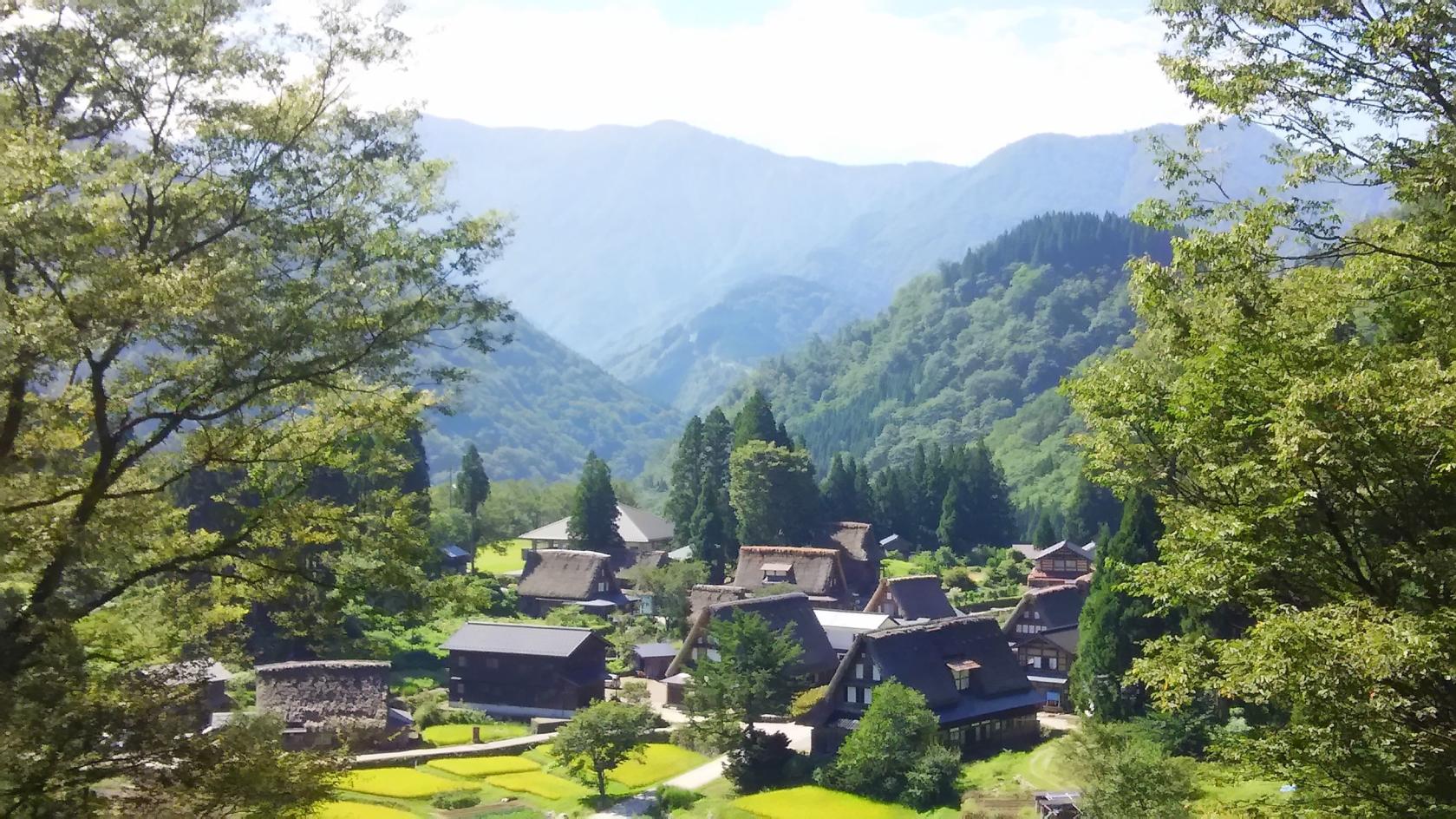 Traditional gassho-zukuri farmhouses in Ainokura Village showing the distinctive steep-thatched roofs designed to shed heavy snow. Source: Visit Toyama Official Tourism Website
Gokayama comprises two remarkable UNESCO World Heritage villages - Ainokura and Suganuma - located in the southwestern tip of Toyama Prefecture. These historic mountain settlements represent centuries of adaptation to one of Japan's harshest winter environments, featuring the distinctive gassho-zukuri architectural style that has been passed down through generations since the late 17th century. 🔗
Cultural & Religious Significance
The villages achieved UNESCO World Heritage status in 1995 alongside Shirakawa-go, recognized as outstanding examples of traditional human settlements perfectly adapted to their environment. Unlike the more commercialized Shirakawa-go, Gokayama maintains an intimate, authentic atmosphere with significantly fewer crowds, offering visitors a more peaceful glimpse into traditional Japanese mountain life. 🔗
The gassho-zukuri farmhouses feature steep, thatched roofs angled at 60 degrees to allow heavy snow (up to 4 meters) to slide off easily. These impressive structures, some over 400 years old, were traditionally used for silkworm cultivation in the vast attic spaces, while ground floors served families and traditional crafts like washi papermaking and nitre production.
Visiting Information
Access: Directly on Tokai-Hokuriku Expressway route between Shirakawa-go and Kanazawa Route Context: On-route stop - no detour required from main expressway between Takayama and Kinosaki Seasonal Considerations: Late October offers peak autumn foliage with crimson maples against traditional architecture 🔗
Hours:
- Ainokura: 8:30 AM - 5:00 PM daily
- Suganuma: 8:00 AM - 5:00 PM (9:00 AM - 4:00 PM December-March)
Parking:
- Conservation fee ¥500-1,000 per vehicle
- Direct access from expressway exits for both villages
The Experience
Ainokura Village (Primary Destination): The largest village with 23 gassho-zukuri farmhouses ranging from 100-400 years old, situated at 400m elevation surrounded by mountains and forests. Most houses remain private residences, with several converted to museums, cafes, and minshuku guesthouses. The village offers walking trails through traditional architecture and mountain scenery. 🔗
Suganuma Village (Complementary Stop): Smaller and more intimate with only 9 gassho-zukuri houses, surrounded on three sides by the Shōgawa River. Features the Gokayama Folklore Museum and traditional craft workshops. Less time required but offers different perspectives and river setting. 🔗
Washi Papermaking Experience: At Gokayama Washi no Sato (8km from Ainokura), experience traditional Japanese papermaking using locally grown kozo (paper mulberry). The 30-minute hands-on workshop (¥1,000 from October 2025) includes making postcards or fans, plus museum displays showcasing paper used for Katsura Imperial Palace restoration. 🔗
Practical Visiting Tips
Driving Considerations:
- Parking: Direct expressway access with designated parking areas (¥500-1,000)
- Route Integration: Ideal stop 30 minutes after Shirakawa-go, continuing toward Kanazawa
- Time Budget: Allow 2-3 hours for both villages as route stop
- Facilities: Limited dining options in villages - consider bringing snacks 🔗
Route Integration:
- Perfect Second Stop: Positioned between Shirakawa-go and Kanazawa for UNESCO heritage corridor
- Less Crowded Alternative: More intimate atmosphere than Shirakawa-go with fewer tour groups
- Timing in Journey: Best visited mid-morning after Shirakawa-go, before Kanazawa lunch
Photography and Viewing:
- Best photo spots: Elevated viewpoints above both villages for panoramic shots, river perspectives in Suganuma for reflection shots
- Optimal timing: Early morning arrival (8:30 AM opening) for minimal crowds and mist effects
- Equipment: Mountain backdrop compositions with autumn foliage, traditional irori (hearth) interiors
Seasonal Considerations for Late October:
- Peak autumn foliage period with crimson maples against traditional architecture
- Daytime temperatures 15-18°C, evenings 5-8°C - dress in layers
- Harvest season ambiance with persimmons and chestnuts visible
- Possible early snow flurries on mountain peaks creating dramatic contrast 🔗
Cultural Etiquette:
- Respect active community - most houses remain private residences
- Maintain quiet voices in villages to preserve peaceful atmosphere
- Follow photography restrictions in private areas and museums
- Support community cooperation system by being respectful visitors
Location: View on Google Maps
Source: attractions/takayama-to-kinosaki-main-route/gokayama-villages.md