
About
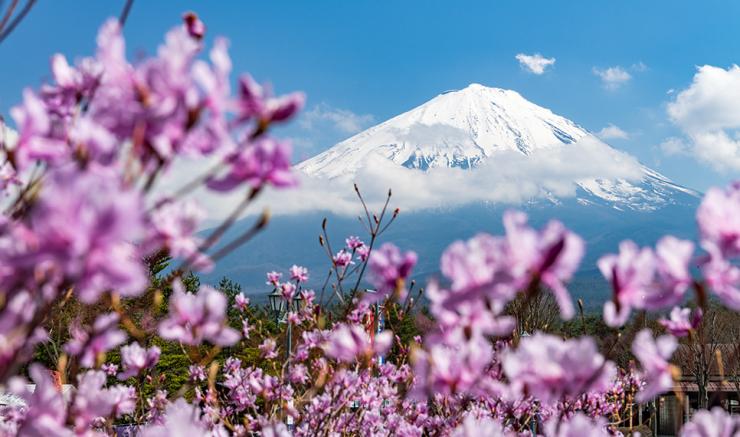 Road Station Narusawa main building with Mt. Fuji backdrop - Yamanashi Official Travel Guide
Roadside Station Narusawa is a government-designated rest area strategically positioned along National Route 139 in the heart of the Fuji Five Lakes area, offering travelers spectacular views of Mount Fuji, comprehensive facilities, local specialties, and the free-admission Narusawa Mt. Fuji Museum. The station serves as an ideal rest stop for drivers exploring the Mt. Fuji region, combining practical amenities with cultural experiences and regional products. 🔗
Located at approximately 1,000 meters altitude in Narusawa Village, the area experiences significant temperature differences that produce sweet, high-quality highland vegetables. The station exemplifies Japan's Michi-no-Eki system, established in 1993 by the Ministry of Land, Infrastructure, Transport, and Tourism, with 1,230 stations across all 47 prefectures designed to promote safe driving and community revitalization. 🔗
Cultural & Historical Significance
The Michi-no-Eki System
Government-designated rest areas combine five core functions: rest & safety (free 24/7 parking and clean toilets), information hub (road conditions and tourist information), local economy (platform for regional products), community space (meeting place for locals and visitors), and cultural gateway (introduction to local cuisine and traditions). After over 30 years, these stations have evolved into central hubs for rural communities, helping preserve regional identities while supporting local economies. 🔗
Narusawa Village Heritage
Narusawa Village, located in the foothills of Mount Fuji within Fuji-Hakone-Izu National Park, has a long agricultural heritage centered on highland vegetable cultivation. The village's elevation and climate create ideal conditions for producing sweet, high-quality vegetables including the famous Narusawa cabbage and traditional Narusawa greens (Narusawana). The station's location provides visitors with spectacular views of Japan's most iconic peak, offering a cultural introduction to the mountain's significance while serving as a gateway to Mt. Fuji experiences. 🔗
Seasonal Festivals:
- Sorghum Festival: Held during peak harvest season to celebrate local grain production
- Cabbage Festival: Celebrates the village's signature highland cabbage crop
Visiting Information
Operating Hours:
- General Station: 9:00 AM - 6:00 PM (extended during peak seasons)
- Information Center: 9:00 AM - 5:00 PM
- Product Hall: 9:00 AM - 6:00 PM
- Light Restaurant/Cafeteria: 9:30 AM - 5:30 PM
- Restrooms: Open 24 hours, 365 days per year
- Narusawa Mt. Fuji Museum: 9:00 AM - 6:00 PM daily
Access:
- By Car: About 15 minutes from Kawaguchiko Interchange along National Route 139 toward Fuji/Fujinomiya, center of Fuji Five Lakes area
- Parking: Free 24-hour parking - 263 regular car spaces, 17 large vehicle/bus spaces, 6 accessible parking spaces
- GPS: 35.4783273, 138.6921784
- Phone: 0555-85-3366
Admission:
- Roadside Station: Free entry
- Mt. Fuji Museum: Free admission
- Observatory Deck: Free access
- Parking: Free 24-hour availability
- No entrance fees for any main facilities
Accessibility:
- Level access from parking lot
- Accessible parking spaces available
- Elevator access to Mt. Fuji Observatory deck
- 24-hour accessible restroom facilities
Route Context
Distance from Route 139: Direct access, no significant detour Route Integration: Ideal mid-route rest stop positioned between Tokyo and Lake Kawaguchiko, perfectly located for Fuji Five Lakes exploration Timing Recommendation: Morning stop (9:00-10:00 AM) for best Mount Fuji visibility and fresh atmosphere, or lunch stop (11:30 AM-1:30 PM) for regional dishes Detour Level: On-route (no detour required)
Seasonal Considerations (October 23, 2025)
Weather & Visibility:
- Clear autumn skies more common than summer months
- Cool highland climate at 1,000m elevation; comfortable for outdoor activities
- Early morning visits recommended for best Mount Fuji views before cloud cover
- Temperature: Cool, light jacket recommended
Seasonal Produce & Products:
- Late-season vegetables: Highland cabbage, root vegetables, winter squash
- Harvest period transition to autumn crops
- Fresh local produce still abundant from highland farms
- Seasonal preserves from summer harvest available
Crowd Considerations:
- Popular autumn tourism season
- Weekdays less crowded than weekends for comfortable browsing
- Early morning recommended for best experience
- Mid-week optimal for peaceful visit
The Experience
Main Building Complex
Product Hall (Souvenir Shop): Fresh highland vegetables and fruits (seasonal), local sake and craft beverages including unique cabbage wine, ready-to-eat condiments and preserves, regional crafts and souvenirs, seasonal specialties (corn, cabbage, blueberries, Narusawa greens), oyaki (buckwheat dumplings) in five varieties, Fujizakura soft-serve ice cream, homemade raisins and dried fruit products, Japanese wooden kitchen supplies and utensils. 🔗
Central Relaxation Room: Comfortable sofas with direct Mt. Fuji views, climate-controlled rest area, windows designed to frame mountain views, quiet space for travelers to recharge.
Information Desk: Free Wi-Fi throughout facility, tourist pamphlets for Fuji Five Lakes region, road condition updates, discount tickets for local attractions, maps and travel planning assistance, staff available to answer questions in Japanese.
Light Restaurant/Cafeteria: Traditional and regional cuisine featuring local ingredients at reasonable prices (¥600-¥1,200 per dish). Signature dishes include:
-
Zendō Soba (Most Popular): Buckwheat noodles in hot soup topped with mountain of finely shredded locally-grown daikon radish, crunchy daikon contrasts with tender noodles, traditional Narusawa Village preparation 🔗
-
Narusawana Mazegohan: Traditional mixed rice featuring local Narusawa greens, highland vegetable cultivated in region's high-altitude climate
-
Fujisan Pancake Sets: Original creation unique to this cafeteria, pair of pancakes designed to depict Mt. Fuji, served with jam and soft-serve ice cream
-
Fujizakura Soft-Serve Ice Cream (Signature Dessert): Pink soft-serve made with juice from Fuji-zakura (Mt. Fuji cherry) tree fruit, highly praised must-try item
-
Oyaki (Buckwheat Dumplings): Five varieties (Narusawa greens, dried daikon, pumpkin, red bean paste, mixed vegetables), handmade steamed buckwheat dumplings, traditional Japanese mountain food
24-Hour Restroom Facilities: Clean, well-maintained facilities, open 24 hours 365 days, accessible facilities available, regularly cleaned and monitored, highly rated by visitors for cleanliness.
Mt. Fuji Observatory
Features: Elevated observation deck with panoramic Mt. Fuji views, overlooks Aokigahara Jukai (Sea of Trees), accessible via elevator or stairs, best views in early morning when Mt. Fuji often visible before clouds form, photography-friendly platform with unobstructed sightlines, adjacent to Creation Park with 3,000+ azaleas (late April to early May bloom). 🔗
Narusawa Mt. Fuji Museum
About the Museum: The Narusawa Mt. Fuji Museum provides free educational exhibits about Mount Fuji's geological formation, volcanic history, and ecological significance. Located adjacent to the main building, the museum serves as an accessible introduction to the natural and cultural importance of Japan's most iconic peak. 🔗
Exhibits:
- Formation & Geology: Information about Mt. Fuji's volcanic origin and structure
- Five Themed Areas: Coverage of the mountain's origin, nature at its foot, internal structure, clouds, and climate
- Volcanic History: Details on eruptions including the 864 Jōgan eruption
- Lava Tree Molds: Display of actual lava tree molds (yōganjumokkei) from the 864 eruption
- Minerals & Gems: Collection primarily featuring quartz and crystals
- Interactive Elements: Crystal polishing information and volcanic output data
- Model Displays: Mt. Fuji model and educational exhibits
Visitor Experience: Free admission, self-guided tours, educational signage (primarily Japanese, some English), compact museum suitable for 20-30 minute visits, adjacent gift shop with mineral jewelry and accessories, best for geology enthusiasts, families, those seeking Mt. Fuji context. Recent reviews indicate the museum underwent renovation with updated technology.
Additional Features
"Fujin no Meisui" (Mt. Fuji Spring Water): Free spring water from Narusawa Village sources, visitors can taste crystal-clear Mt. Fuji groundwater filtered through volcanic rock, represents the region's pure water resources, visitors welcome to fill water bottles. 🔗
Nature Exploration Trails: Access to walking paths near the station, connect to broader Aokigahara and Mt. Fuji area trails, information about lava tree molds and volcanic features.
Local Specialties
Unique Regional Products:
1. Cabbage Wine (キャベツワイン): Narusawa Village's original wine, rare product found only in this area, blend of Narusawa highland cabbage and Koshu grapes, unique taste with subtle cabbage aroma, innovative use of the region's famous highland cabbage, exclusive to Narusawa area, popular souvenir (¥1,500-¥2,000). 🔗
2. Highland Vegetables (Seasonal): Sweet and juicy due to 1,000-meter altitude and large temperature differences, varieties include cabbage, corn, kohlrabi, Narusawa greens, harvest seasons vary throughout year, October features late-season produce, harvested locally and sold same-day or next-day, reasonable rates directly from local farmers.
3. Blueberries & Fruit Products: Fresh berries (seasonal summer harvest), processed products (jams, preserves, dried fruits), Narusawa known for quality blueberry cultivation, year-round preserved products available when fresh fruit not in season.
4. Local Sake & Craft Beverages: Locally brewed sake from Yamanashi Prefecture breweries, regional craft beverages and fruit wines, gift sets with attractive packaging for souvenirs.
Practical Visiting Tips
Driving Considerations
Visit Duration:
- Quick Stop (15-20 minutes): Restroom break, spring water, quick Mount Fuji view
- Standard Visit (30-45 minutes): Restroom, product browsing, cafeteria snack, observatory deck
- Extended Visit (1-1.5 hours): Full restaurant meal, museum visit, souvenir shopping, relaxation room time
- Leisurely Visit (2+ hours): Complete exploration with meal, museum, Creation Park (if azalea season)
Strategic Route Planning:
- Tokyo to Fuji Five Lakes: Perfect first or second stop after leaving expressway
- Kawaguchiko to Fujinomiya: Ideal midpoint rest stop
- Circuit Tour: Central location for multi-day Fuji Five Lakes exploration
- Day Trip: Convenient early stop or final stop before return journey
Parking Strategy: Free 24-hour parking with ample spaces (263 regular + 17 large vehicle), park in designated spaces, don't block through-traffic, some RV/van travelers report staying overnight in parking area (though shower facilities not available).
Route Integration
How This Fits with Route 139: Strategically positioned along Route 139 in center of Fuji Five Lakes area, serves as natural midpoint rest stop for scenic route travelers, combines practical amenities (restrooms, food, parking) with cultural experiences (museum, local products, Mount Fuji views), exemplifies Michi-no-Eki philosophy of supporting rural communities while providing infrastructure.
Connection with Other Stops:
- Narusawa Ice Cave: 10 minutes
- Fugaku Wind Cave: 10 minutes
- Aokigahara Forest: Adjacent
- Lake Sai: 5-10 minutes west
- Lake Kawaguchi: 15-20 minutes east
- Koyodai Observatory: Short drive
Timing in Overall Journey: Morning stop (9:00-10:00 AM) recommended for best Mount Fuji visibility and fresh atmosphere before station becomes busy. Alternative lunch stop (11:30 AM-1:30 PM) for trying regional dishes. Afternoon break (2:00-4:00 PM) quieter for shopping with good product selection still available.
Budget Considerations
Estimated Costs:
- Parking: Free (24 hours)
- Museum Admission: Free
- Observatory Access: Free
- Cafeteria Meal: ¥600-¥1,200 per person
- Soft-Serve Ice Cream: ¥300-¥500
- Oyaki (Dumplings): ¥200-¥400 each
- Local Produce: ¥300-¥1,500 (varies by item)
- Cabbage Wine: ¥1,500-¥2,000 (souvenir)
- Total Budget Estimate: ¥0-¥5,000 depending on activities and shopping
Money-Saving Tips: Free attractions (museum, observatory deck, spring water tasting), affordable lunch (cafeteria offers budget-friendly regional dishes), local produce (better prices than convenience stores), authentic souvenirs at reasonable prices compared to tourist shops.
Cultural Etiquette
Michi-no-Eki Customs:
- Keep conversation volume moderate in relaxation areas
- Handle produce and products gently; ask before sampling
- Don't block through-traffic when parking
- Use designated bins for trash or take trash with you (pack in, pack out)
- Photography of Mt. Fuji and facilities welcome; ask permission for people
Cafeteria Etiquette:
- Order at counter, receive number, wait for call (typical Japanese cafeteria style)
- May share tables during busy periods; keep belongings compact
- Return trays and dishes to designated return area when finished
- Non-smoking facility throughout
Museum Behavior:
- Keep voices low in museum areas
- Check for photography restrictions on exhibits
- Respect "do not touch" signage on delicate exhibits
- Museum exits through gift shop area; browsing welcome but not obligatory
Must-Try Experiences
1. Zendō Soba (Cafeteria): Why: Authentic regional dish you won't find elsewhere; Cultural value: Traditional Narusawa Village preparation; Recommendation: Most popular item, perfect warming lunch.
2. Fujizakura Soft-Serve Ice Cream: Why: Unique flavor exclusive to this station; Visual appeal: Beautiful pink color, Instagram-worthy; Recommendation: Must-try signature item, highly praised.
3. Mt. Fuji Observatory at Opening Time: Why: Best chance for clear Mt. Fuji views before clouds form; Experience: Panoramic views of iconic mountain and Aokigahara forest; Recommendation: Worth arriving when station opens (9:00 AM).
4. Free Mt. Fuji Spring Water: Why: Experience pure Mt. Fuji groundwater filtered through volcanic rock; Cultural significance: Connection to Mt. Fuji's natural resources; Recommendation: Bring water bottle to fill; free and refreshing.
5. Cabbage Wine (Souvenir): Why: Unique product found only in Narusawa area; Conversation starter: Unusual wine variety with interesting story; Recommendation: Perfect distinctive souvenir for wine enthusiasts.
Weather & Timing Considerations
Best Viewing Conditions:
- Mt. Fuji Visibility: Autumn and winter months (October-February) offer best viewing odds
- Time of Day: Early morning (7:00-10:00 AM) before clouds typically obscure summit
- Clear Days: Check weather forecast; visit on clear, low-humidity days
- Seasonal Variation: Spring azalea bloom (late April-May) adds floral display to views
October 23rd Specific:
- Visibility: Good autumn visibility likely; aim for morning visit
- Weather: Cool highland climate; light jacket recommended
- Crowds: Moderate autumn tourism; weekday visit preferable
- Produce: Late-season highland vegetables, autumn specialty items
Photography Tips
Mt. Fuji Views:
- Best Spots: Observatory deck, relaxation room windows
- Golden Hours: Early morning for sunrise glow; late afternoon for golden light
- Framing: Use deck railings, azalea bushes (spring), or trees for foreground interest
- Equipment: Wide-angle lens captures full mountain; telephoto for detail shots
Interior Photography:
- Products: Beautiful displays of local produce and specialty items
- Museum: Check signage for restrictions; generally permitted
- Food: Colorful dishes make appealing food photography subjects
Visitor Experience & Reviews
Visitors consistently describe Roadside Station Narusawa as "a very peaceful station with a lovely view" of Mount Fuji, praised for its clean facilities, reasonable prices, and authentic local products. The station receives positive reviews for combining practical rest stop amenities with cultural experiences and local shopping opportunities. 🔗
Positive Aspects:
- Mt. Fuji Views: Spectacular views from observatory deck and relaxation room
- Cleanliness: Exceptionally clean restrooms and facilities, maintained to high Japanese standards
- Local Products: Good selection of fresh highland vegetables, local specialties, authentic regional items
- Affordability: Reasonable prices for food, produce, and souvenirs
- Safety: Visitors report feeling very safe; family-friendly atmosphere
- Authenticity: Genuine local products rather than generic tourist items
- Free Museum: Appreciated as interesting educational addition at no cost
Visitor Experiences:
- RV/Van Travel: Multiple reports of visitors staying overnight in parking area (2-night stays mentioned)
- Local Food: Fresh water springs, affordable food, handmade noodles highly rated
- Shopping: Japanese wooden kitchen supplies, homemade raisins, unique finds appreciated
- Rest Quality: Comfortable relaxation space with excellent Mt. Fuji views
- Photography: Good opportunities for Mt. Fuji photos from observatory deck
Location: View on Google Maps
Source: attractions/tokyo-to-fujikawaguchiko-scenic-route/roadside-station-narusawa.md